


Burcu Aydoğdu
Feb 12, 2026B2B SaaS Generative Engine Optimization (GEO): A Content and Measurement Model That Increases Demo Requests
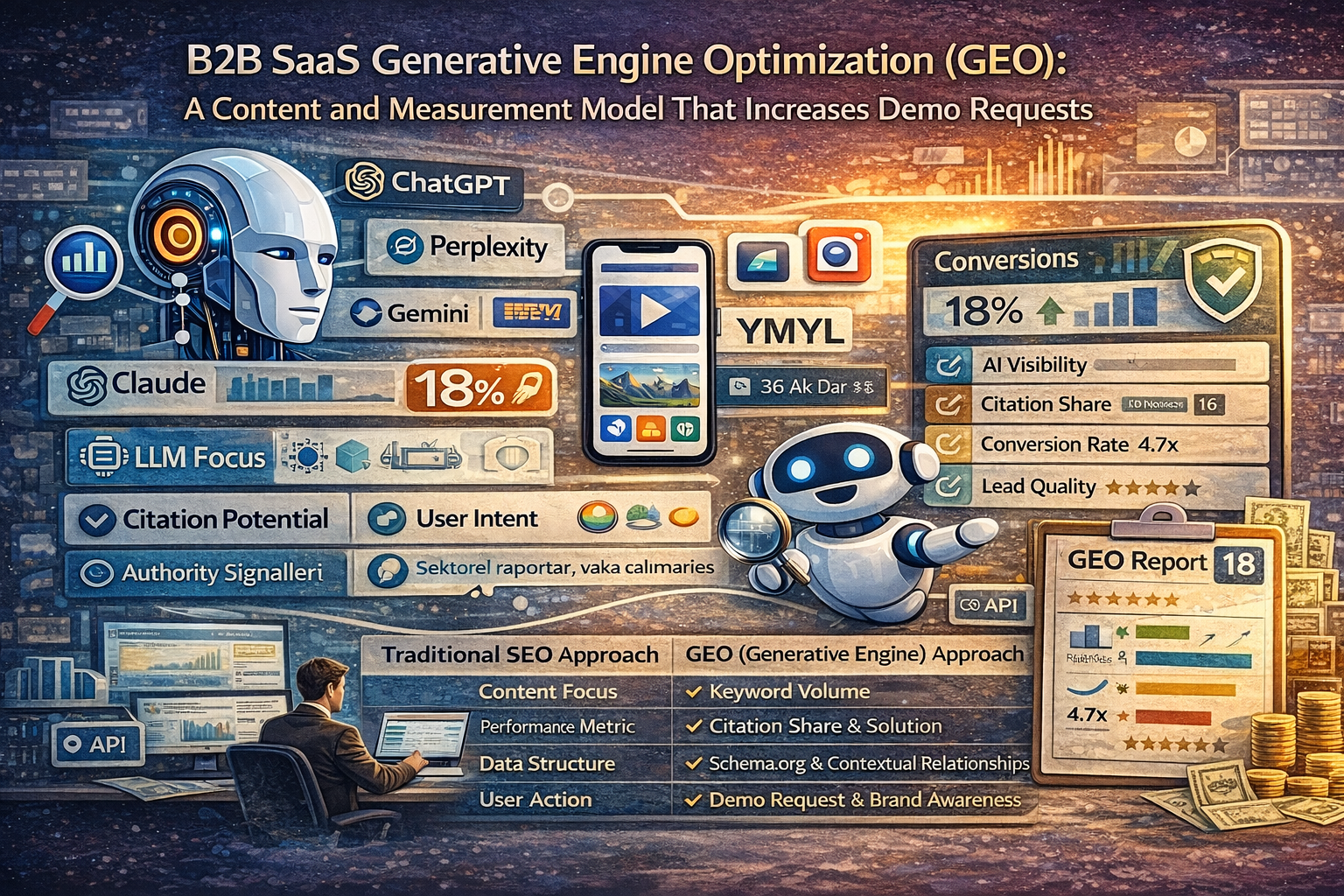
The digital marketing world is undergoing a major evolution from traditional search engine optimization (SEO) toward AI driven search experiences. B2B SaaS Generative Engine Optimization (GEO) strategies no longer aim only to rank at the top of Google results, but also to be cited and recommended as a source within the answers produced by generative AI (LLM) tools such as ChatGPT, Perplexity, Gemini, and Claude. Because the B2B SaaS sector is an area where decisionmakers conduct deep research and seek solutions to complex problem sets, this next generation optimization model has the potential to directly impact your demo requests and your sales pipeline.
GEO is a discipline built on top of traditional SEO, but it requires a much more sophisticated approach. While keyword density and backlink profiles are central in traditional SEO, concepts such as answerability, authority, and contextual accuracy come to the forefront in B2B SaaS Generative Engine Optimization (GEO) strategies. When scanning information, AI engines don’t just read the text they also analyze the quality of the solution that text provides to a problem and its credibility within the industry. Therefore, for a SaaS brand to exist in this ecosystem, it is essential to present its content in a structured, verifiable way that focuses directly on user intent.
LLM Focus: Your content can be easily interpreted by AI models.
- Citation Potential: Sharing data and insights that increase the likelihood of being cited as a source.
- User Intent (Intent): Not just providing information, but solving a problem in the user’s workflow.
- Authority Signals: Content supported by industry reports, case studies, and expert opinions.
What Are B2B SaaS Generative Engine Optimization (GEO) Strategies and Why Are They Critically Important?
With the rise of Generative AI tools, the information gathering habits of B2B buyers have fundamentally changed. Now, instead of searching for best CRM software, a marketing manager or a technology director asks AI questions like: Recommend an integration capable and cost effective CRM solution for a globally distributed team. This is exactly where B2B SaaS Generative Engine Optimization (GEO) strategies come into play. If your brand is not among the top three recommendations in the AI’s answer to that specific question, it means you’ve lost a potential demo opportunity at the very beginning stage.
Decision making processes in B2B are long and require approval from multiple stakeholders. GEO is the fastest way to build trust in this process. AI engines generate answers by referencing sources they deem reliable. This creates a third party endorsement effect for SaaS companies. When a user hears about your brand from AI, it can increase trust in the brand far more than organic search results. In addition, B2B SaaS Generative Engine Optimization (GEO) strategies increase not only visibility but also the quality of traffic. Because a user coming from AI has already received convincing information about the solution they are looking for and is more ready to request a demo.
By working with an expert Generative Engine Optimization agency, you too can achieve your goals.
We can list the key factors emphasizing the critical importance of GEO as follows:
- LowFriction Access to Information: Users want to meet their needs in a single answer instead of browsing dozens of pages.
- Niche Focus: Because AI can answer very specific (longtail) questions, it gives niche SaaS solutions more opportunities.
- Future Readiness: Updates like Google’s SGE (Search Generative Experience) indicate that GEO will replace traditional SEO.
B2B SaaS Generative Engine Optimization (GEO) Strategies That Maximize Demo Conversions
Generating demo requests is the biggest goal of a B2B SaaS marketer. However, because AI tools summarize information within their own interfaces instead of directing users straight to your website, the zeroclick phenomenon can pose a risk. To turn this risk into an opportunity, within the scope of B2B SaaS Generative Engine Optimization (GEO) strategies you must make your content actionoriented and persuasive. It is not enough for your brand name to merely appear within the AI answer; it should also be stated why your solution is unique and what specific ROI (return on investment) value it provides.
The most important part of this strategy is Authority Building. AI looks at who provides the most uptodate and most indepth data on a topic. If you present real user case studies, success stories, and technical documentation related to your SaaS platform in a structured data format, AI engines will encode you as a trustworthy expert. While applying B2B SaaS Generative Engine Optimization (GEO) strategies, you should also make your demo pages part of this flow.
For example, a phrase like Increase your efficiency by 40% with X software can be perceived by AI as a direct value proposition and included in the answer presented to the user.
| Strategy Component | Traditional SEO Approach | GEO (Generative Engine) Approach |
| Content Focus | Keyword Volume | Contextual Answer and Solution |
| Performance Metric | Rank | Citation and Share of Visibility |
| Data Structure | Meta Tags | Schema.org and Contextual Relationships |
| User Action | ClickThrough Rate (CTR) | Demo Request and Brand Awareness |
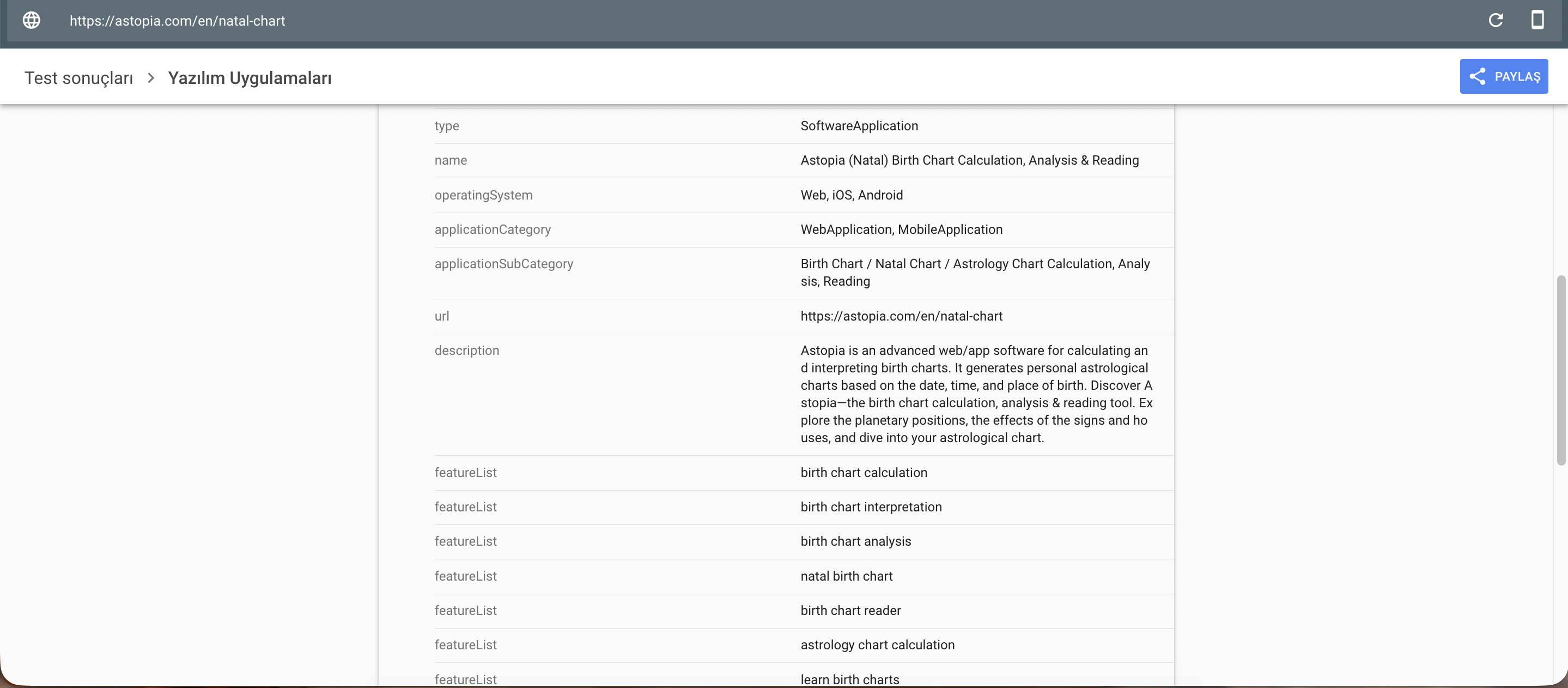
B2B SaaS Generative Engine Optimization (GEO) Strategies in Technical Infrastructure and Data Structuring
Performance Analysis: A Measurement Model for B2B SaaS Generative Engine Optimization (GEO) Strategies
B2B SaaS Generative Engine Optimization (GEO) Strategies and Future Vision for Sustainable Growth
More resources

The Golden Rule of GEO: Tactics for Strengthening "Citation" Signals
The digital marketing world has made a fast entrance into the era of Generative Engine Optimization...

Transition Strategies from Traditional Keywords to 'Prompt' Optimization
Transition Strategies from Traditional Keywords to 'Prompt' OptimizationThe digital marketing world...

Detect Performance Drops Early with Anomaly Detection
In digital products, the most critical problems are often the ones noticed the latest. Traffic drops...