


Burcu Aydoğdu
Feb 5, 2026Strategic ASO and Store Discovery Dynamics Analysis in the 2026 Mobile App Ecosystem
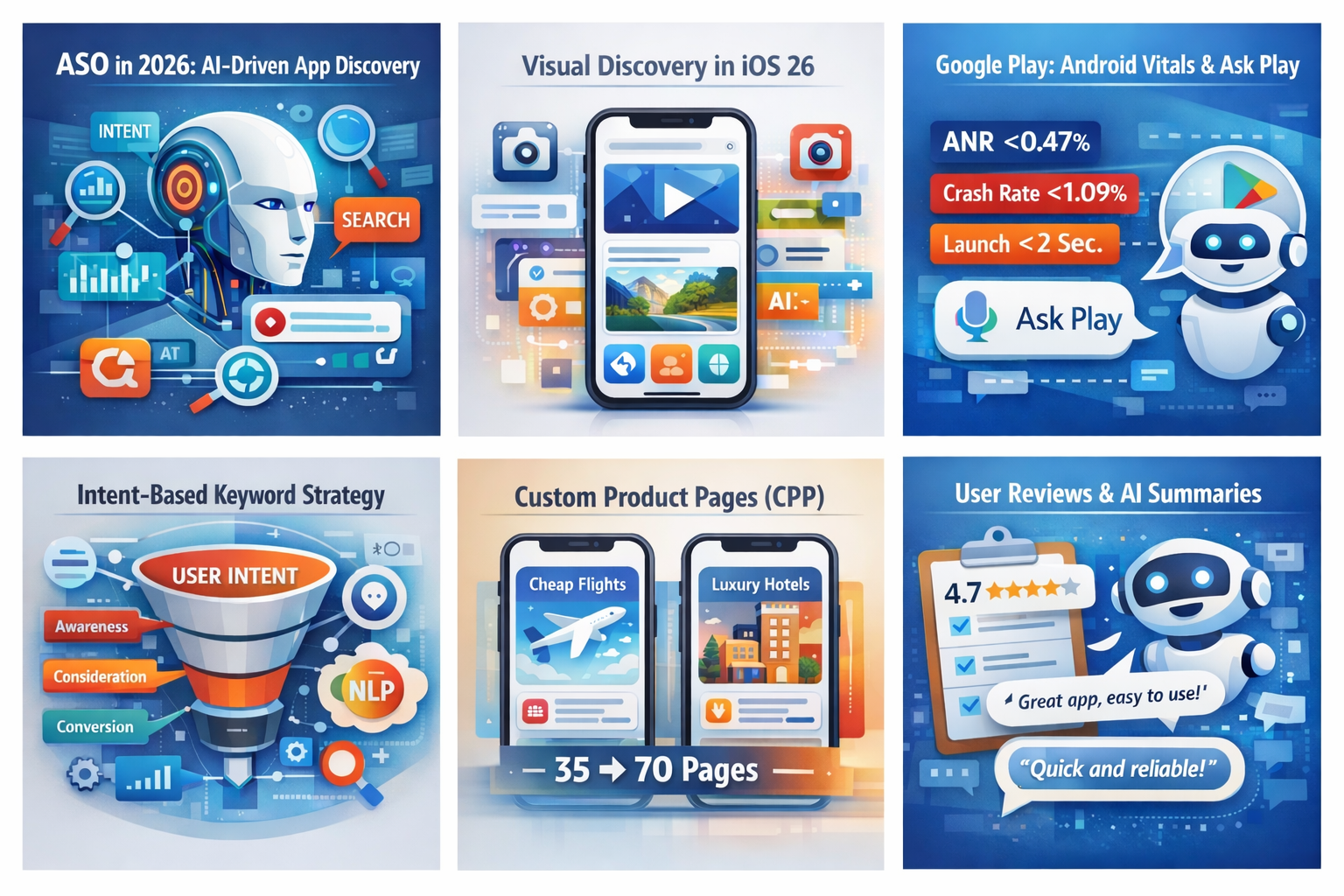
Mobile app marketing, as of 2026, has evolved beyond traditional optimization techniques into a strategic discipline driven by artificial intelligence and centered on user intent. App Store Optimization (ASO), once seen in past years as limited to simple keyword placements and visual updates, now functions as a critical balancing element between product management, paid user acquisition, and advanced data analytics. App stores are no longer merely software catalogs; they are defined as advanced decision support systems that understand, analyze, and dynamically respond to user intent. At the core of this transformation is the evolution of app discovery processes from a linear search logic into an AIsupported interaction layer.
In 2026, the most fundamental factor defining ASO strategies is the transformation of app stores into intent fulfillment platforms. In this new era, success is measured not only by ranking higher for the highest volume keywords, but by delivering the most suitable solution for the user’s immediate need in the fastest and most trustworthy way. In particular, radical changes in Apple’s search algorithm and Google Play’s AI powered Ask Play assistant are forcing ASO specialists to completely abandon traditional methodologies and build a narrative architecture aligned with machine learning systems.
The Rise of Artificial Intelligence and Semantic Search: The Mechanism of Algorithmic Transformation
The year 2026 is recorded as the year when the transition from keyword focus to semantic coherence was completed in the ASO world. Keyword stuffing methods used in traditional ASO models are now perceived as spam signals by modern natural language processing (NLP) engines, causing severe damage to app rankings. Current algorithms have the ability to analyze contextual clusters formed by terms and interpret user intent, rather than focusing on the isolated existence of individual terms.
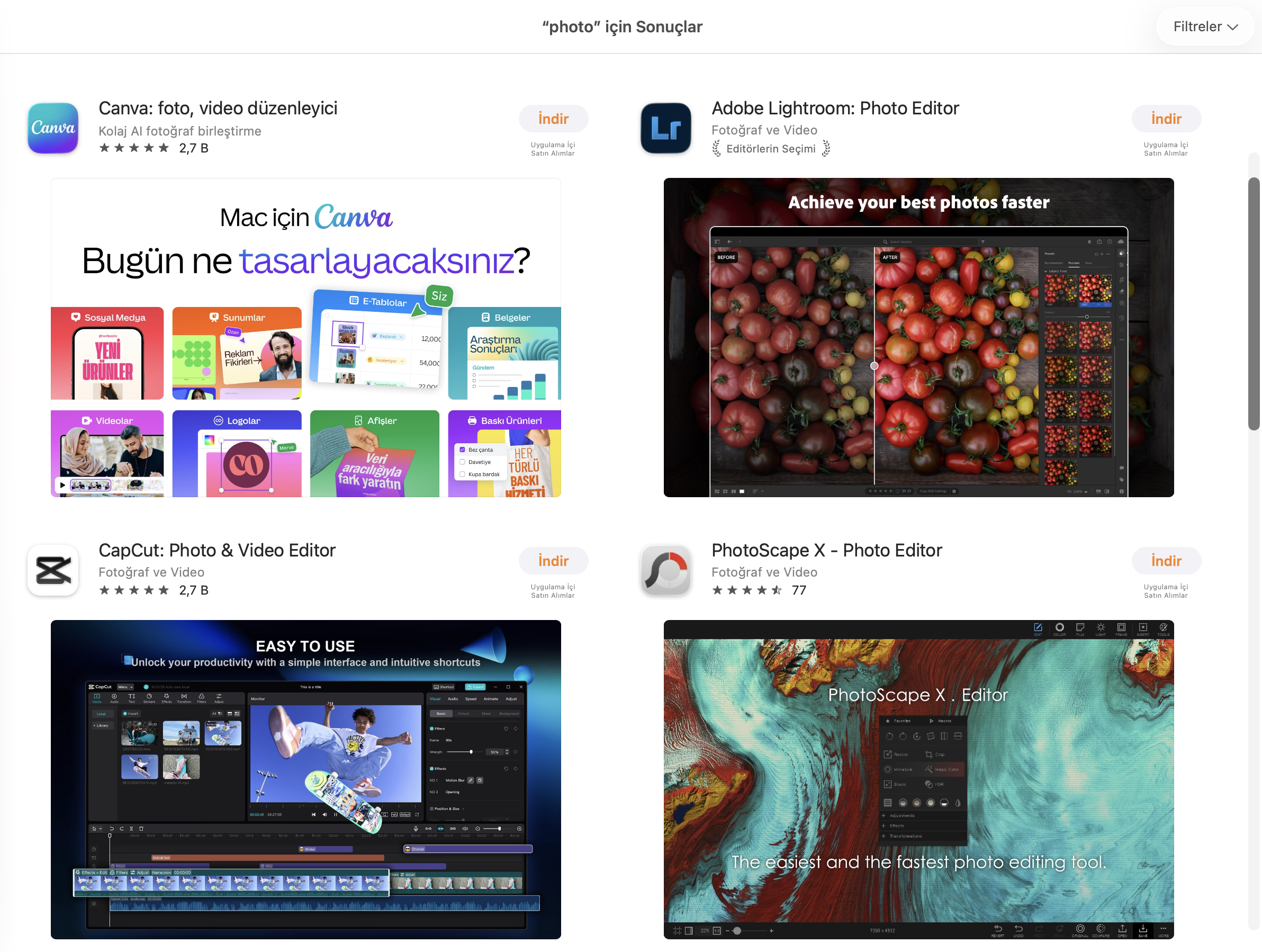
This semantic revolution is materializing through the diversification of search results. With the major algorithm update Apple rolled out in mid2025, the first 10–15 results presented for a search query are now designed to reflect different user needs that could be related to that query, rather than a single intent.
For example, a user searching for “photo” is presented not only with editing tools, but also with storage solutions, social sharing networks, and AIbased visual generators together. This situation has made it mandatory for ASO specialists to build intent clusters.
Intent Based Keyword Strategies and Natural Language Processing
2026 strategies have made a sharp transition from volumefocused approaches to intentfocused approaches. Ranking for a general term like budget tracking is no longer considered sufficient by the algorithm if the user’s specific need at that moment is “corporate expense management.”
Success depends on understanding which stage of the user’s search journey they are in (awareness, consideration, conversion) and structuring the metadata accordingly.
When analyzing app descriptions and titles, AI systems measure the naturalness and expertise level of the text by using scoring systems such as Google Natural Language (GNL). In this context, metadata must be optimized simultaneously for both humans and machines. Machineoriented optimization enables the algorithm to correctly label what the app does, while humanoriented optimization strengthens the clarity of the value proposition offered to the user and the emotional connection.
By 2026, ASO no longer lives only inside the store; it also exists in AI layers such as Siri and Google Assistant. This is the integration of Generative Engine Optimization (GEO) principles into the store environment.
Visual Discovery Revolution in iOS 26 and the Apple Ecosystem
Apple announced the iOS 26 update in 2026, which fundamentally changes the App Store’s discovery mechanics. This update introduces a visually focused interface and an AIbased categorization layer. One of the most striking innovations is that Apple has begun treating screenshots and preview videos not merely as visual materials, but directly as indexable metadata. AIbased tagging systems analyze the visuals and text within screenshots to interpret which user problems the app solves.
Custom Product Pages (CPP) and Organic Search Integration
One of Apple’s biggest moves in its 2026 strategy is increasing the number of Custom Product Pages (CPP) from 35 to 70 and allowing these pages to appear directly in organic search results. This development proves that the era of “one app, one store page” has officially ended. ASO professionals are now building dozens of different store interfaces for different user segments, different keyword intents, and different seasonal needs.
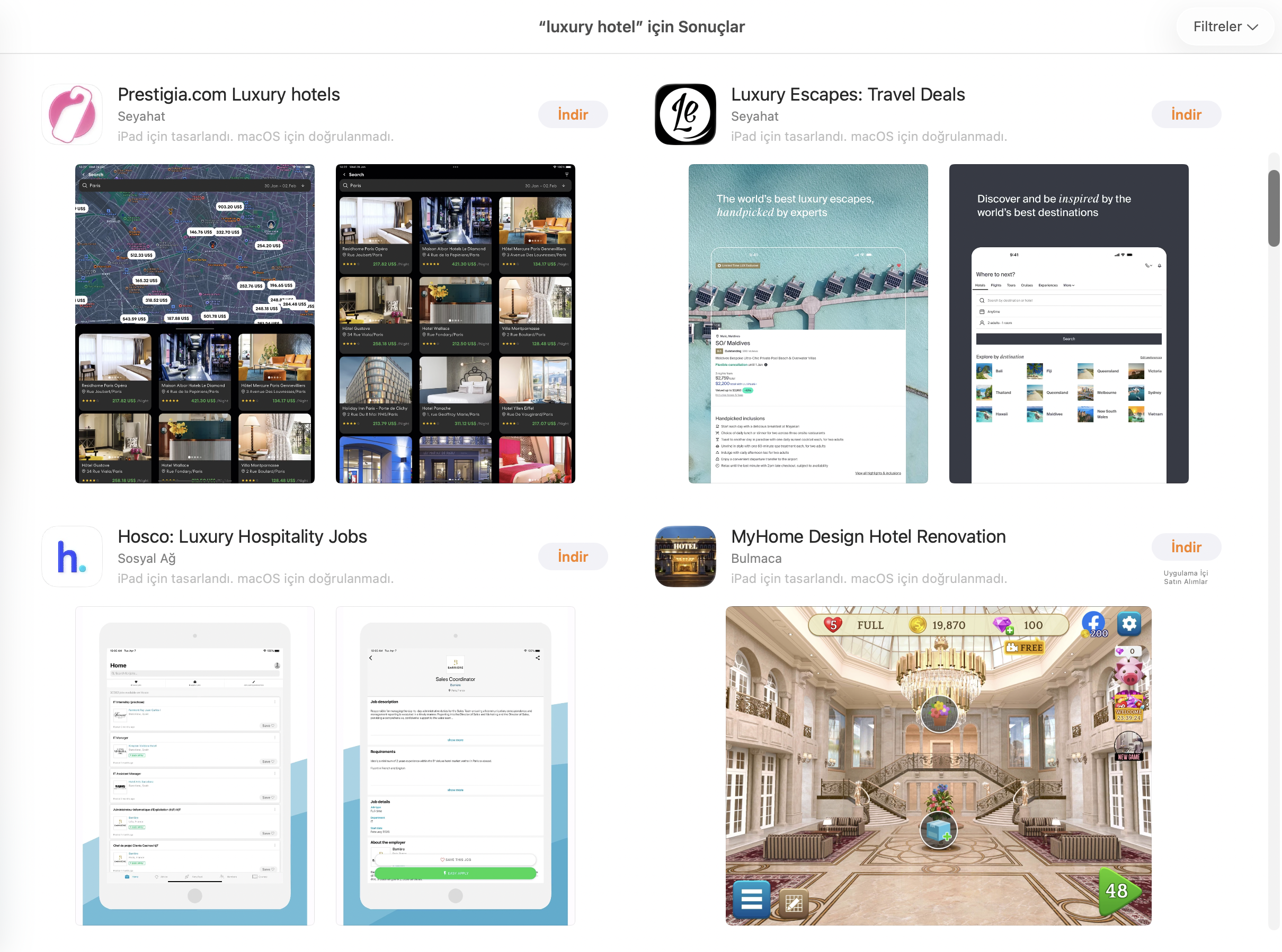
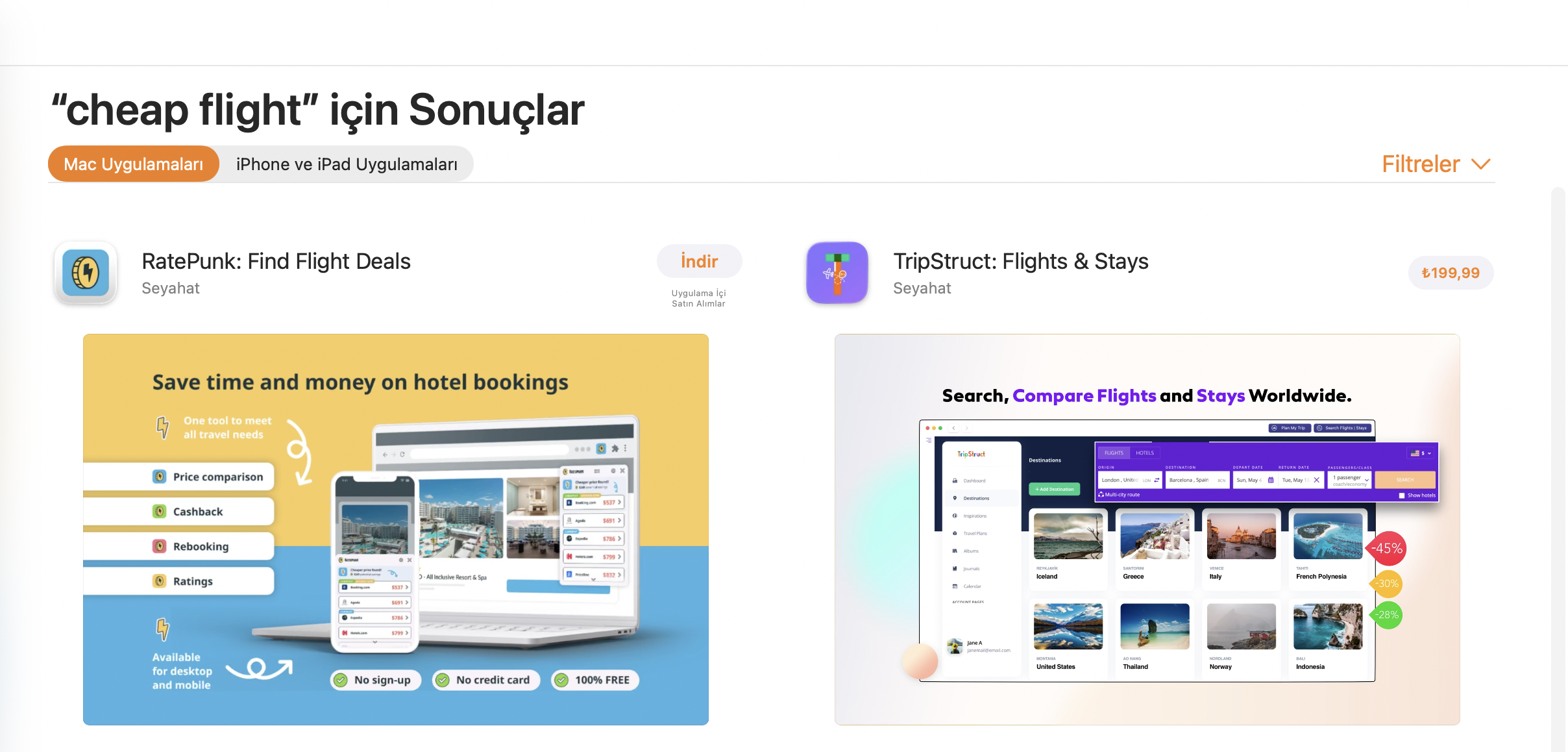
Especially when integrated with advertising campaigns (Apple Search Ads), these pages maximize alignment between the promise of the ad the user clicked and the welcome message on the store page, delivering significant increases in conversion rates. This architectural approach allows different features of the app (for example, for a travel app, both “cheap flights” and “luxury hotels” features) to become authoritative separately.
App Intents and the Siri Discovery Layer
Apple’s App Intents framework makes apps discoverable beyond store boundaries via Siri, Spotlight, and widgets by carrying app functions outside the store. If an app has clearly defined intents (for example, log a workout or scan an invoice), the app can be recommended even without the user entering the app store when they search for that action. This expands the scope of ASO from store page optimization to a systemwide discoverability strategy.
Google Play Store: The Dominance of Android Vitals and Technical ASO
On the Google Play Store side, 2026 is a period in which technical excellence has become the primary ranking signal. Google’s algorithm no longer looks only at metadata and download counts; it also analyzes the app’s ondevice performance within seconds. This set of metrics, called Android Vitals, has become one of the most powerful factors determining an app’s fate in search results.
- ANR (Application Not Responding): Apps exceeding the critical threshold of 0.47% experience visibility loss.
- Crash Rate: Crash rates above 1.09% cause categorical demotion.
- Launch Speed: Launch times under 2 seconds are rewarded by Google as a superior user experience.
Ask Play and AIPowered Interaction
The Ask Play feature introduced with Google Play Store v49 enables users to find apps by speaking with an AI assistant inside the app store. This assistant can summarize user reviews, compare app features with competing apps, and answer the user’s specific questions. This requires ASO metadata to be conversational in structure and demands that key themes in user reviews be managed so they can be summarized positively by the algorithm.
Strategic Optimization of Visual Assets and Conversion Psychology
In 2026, visual assets are no longer merely an aesthetic preference; they are accepted as the primary language of conversion. The shortening of users’ attention span and market saturation cause apps that fail to deliver value within the first 3 seconds to be eliminated quickly. In this context, screenshots, preview videos, and app icons dominate more than 70% of user decisionmaking processes.
Data shows that 50–60% of users make the decision to download an app solely by looking at the first two or three screenshots. 2026 trends indicate that the use of Panoramic Screenshots has become standardized and that these visuals are structured within a Problem–Action–Outcome framework. The first visual is expected to present the biggest value proposition directly, while the second visual is expected to show how this promise will be delivered.
User Reviews and AI Generated Summaries
In 2026, app ratings and user reviews are no longer just trust signals; they are directly ranking and visibility factors. Apple and Google algorithms analyze both average ratings and the textual content of reviews in depth. It has become almost impossible for apps with ratings below 4.0 to enter Featured lists.
Both stores now analyze thousands of user reviews to deliver singlesentence AI summaries. These summaries function as a “public conscience” that a user sees before downloading the app. If these summaries include statements such as “there is a crash issue” or “subscription cancellation is difficult,” conversion rates drop dramatically. This has made proactive review management an inseparable part of ASO.
Measurement in a PrivacyFocused World: MMM and Incrementality Tests
In 2026, privacy regulations continue to restrict app marketers’ access to data. These restrictions have led to the complete collapse of the lastclick attribution model. It is no longer possible to track why a user downloaded an app through a single channel.
To fill this data gap, in 2026 ASO teams have adopted Marketing Mix Modeling (MMM) tests as standard tools. MMM statistically decomposes the impact of ad spend, seasonality, and ASO updates on total revenue by using historical data.
Conclusion: The Core Pillars of the 2026 ASO Strategy
As of 2026, ASO is no longer an app store hacking method; it is a holistic growth and brand strategy. The evolution of algorithms with AI, the rise of technical health as a primary ranking factor, and the growth of privacyfocused measurement models have fundamentally changed the skill set of ASO specialists.
A successful 2026 ASO strategy must be built on these three core foundations:
- Intent Focus: Rather than keyword volume, the focus should be on the user’s specific need at that moment (intent), and this intent should be matched with Custom Product Pages (CPP).
- Product Quality and Technical Excellence: App store success can no longer be considered separate from product quality. Technical metrics such as Android Vitals are the primary determinants of search visibility.
- Collaboration with Artificial Intelligence: Store content must be structured in a way that is persuasive for humans and also “understandable and summarizable” for AI assistants.
As a result, the winners of 2026 will not be those who fill store pages with the most keywords, but those who prove the value they offer to the user in the fastest, clearest, and most trustworthy way. App stores are no longer just a download gateway; they are intelligent guides that help users reach solutions that make their lives easier. You can also contact us to receive services from a professional ASO agency.
More resources

Detect Performance Drops Early with Anomaly Detection
In digital products, the most critical problems are often the ones noticed the latest. Traffic drops...

How to Identify Non-Indexed Pages?
If you manage a website or monitor SEO processes, you know that the foundation of your digital prese...

How Do 404, 410, and 401 Status Codes Affect SEO?
In the digital world, the technical health of your website is one of the most fundamental factors de...