


Rabia Filiz
Nov 26, 2025Data-Driven Tactics to Build Customer Loyalty After Black Friday
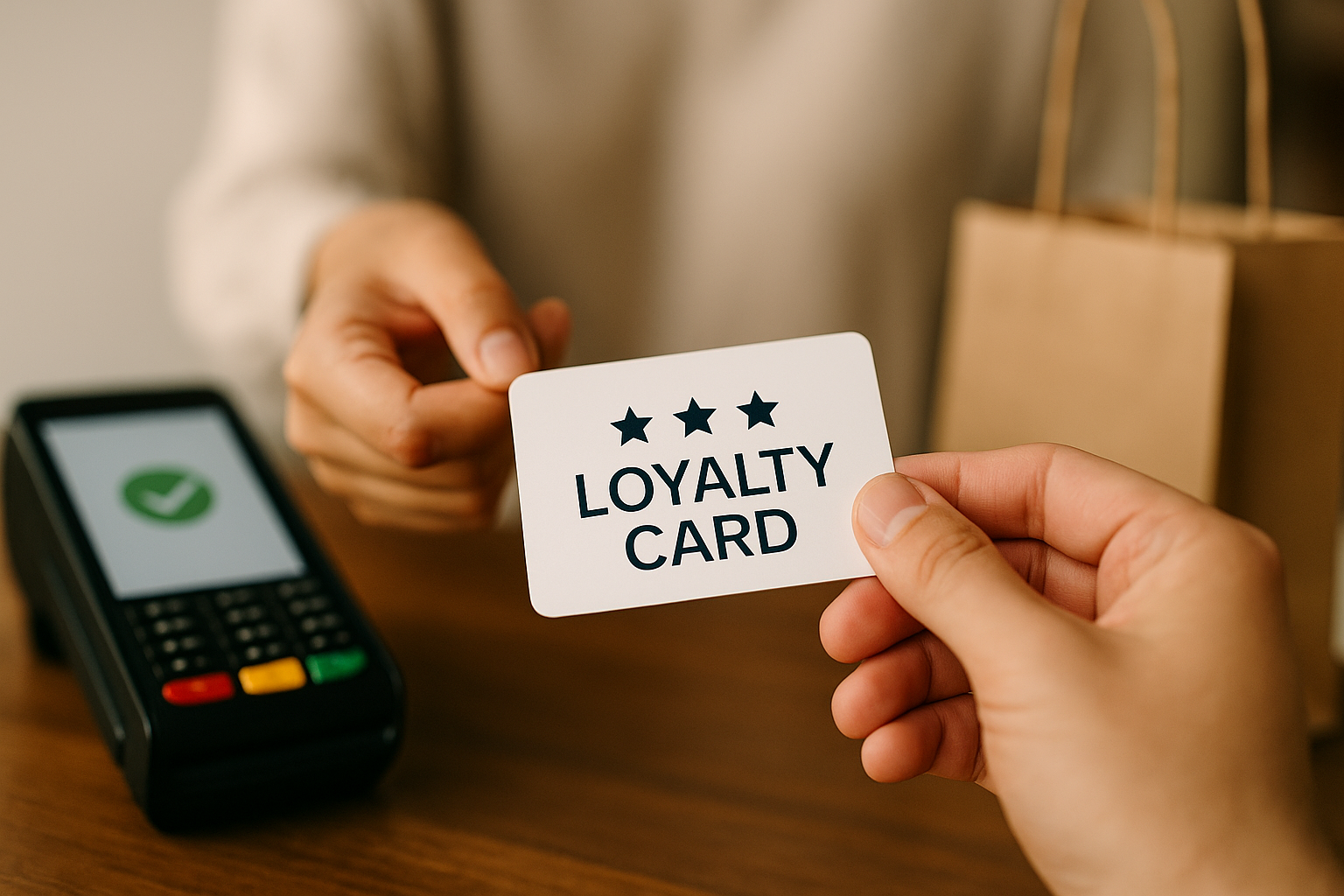
Customer loyalty is the most valuable outcome of the Black Friday period, as short-term traffic and one-time purchases do not build sustainable e-commerce growth. With the right data strategy, you can transform campaign buyers into loyal customers, lower acquisition costs, and boost long-term profitability.
Why Post–Black Friday Loyalty Is a Strategic Priority
While Black Friday brings a significant spike in traffic and first-time buyers, most of these users are driven by discounts and are unlikely to return. Industry benchmarks show that the average retention rate in e-commerce is around 25% to 35%. That means up to 75% of your hard-won customers may never come back.
In this context, post-purchase engagement becomes critical. Returning customers are not only easier to convert but also tend to spend more. In fact, repeat customers generate up to 67% more revenue than first-time shoppers. Loyalty also supports long-term growth by reducing paid media dependency and increasing lifetime value (CLV). So, the real success of Black Friday isn’t just in revenue spikes; it lies in how effectively brands convert that spike into sustainable customer relationships.
Identifying Loyal Customer Segments with Data Science
Data science enables you to move from intuition to precision when it comes to identifying valuable customer segments. A fundamental method for this is RFM analysis, which scores users based on:
- Recency – how recently they purchased
- Frequency – how often they purchase
- Monetary – how much they spend
Here’s an example RFM-based segmentation table suitable for post–Black Friday analysis:
This segmentation can be automated using Google Analytics 4 and BigQuery. Customer cohorts can then be visualized in Looker Studio for deeper insight. Basic segmentation and funnel tracking can be implemented with SQL and GA4; more advanced techniques like churn prediction, LTV modeling, or ML-based targeting benefit from Python and statistical modeling.
Turning Black Friday Buyers into Long-Term Customers
1) Personalizing Post-Purchase Journeys
The first 7 days after a Black Friday purchase are critical for engagement. Customers contacted during this window are significantly more likely to return—especially with personalized messages. Effective post-purchase flows include:
- Cross-sell recommendations (e.g., “68% of customers who bought this also purchased…”)
- Product setup tutorials or tips
- Early access or VIP benefits for a second order
- Personalized offers based on order data and browsing behavior
Use GA4 to track post-purchase behavior (scroll depth, site search, product views). Visualize follow-up engagement by cohort with BigQuery + Looker Studio. To distinguish discount-driven buyers from brand-likers, check whether they return to the site organically without additional offers.
2) Reducing Waste with Uplift Modeling
Rather than sending blanket discount emails to everyone, uplift modeling predicts who will respond positively to an offer. Segment customers into four groups:
- Persuadables – Convert because of the offer
- Sure Things – Would convert even without an offer
- Lost Causes – Won’t convert either way
- Do Not Disturb – May churn if targeted with a promotion
By scoring customers with an uplift model (e.g., decision trees or gradient boosting in Python), you can reserve discounts for those who truly need them—protecting margins and increasing ROI. Validate performance across email, push, and paid media.
Loyalty Programs and Smart Offer Personalization
Loyalty isn’t just about points; it’s about recognition, value, and personalization. Black Friday is an ideal moment to invite customers into tiered loyalty programs with offers like:
- Points for purchases
- Birthday or anniversary perks
- Priority access to restocks or launches
- Exclusive content or early-bird discounts
But one size doesn’t fit all. Some customers return naturally; others need targeted reactivation. GA4 behavioral cohorts help you identify users who viewed products without buying, or opened emails without clicking. Build personalized experiences that feel relevant, not robotic. Push notifications and emails tailored by RFM segment, purchase behavior, or acquisition channel can increase engagement rates by up to 60%. For mobile users, in-app messaging and gamified loyalty mechanics are particularly effective.
Creating Omnichannel Loyalty with Data Integration
To deliver a unified customer experience, integrate data from Google Ads, Meta Ads, Apple Ads, Yandex Ads, Adjust, GA4, your email platform, and your CRM/CDP into a central view. This Single Customer View (SCV) enables:
- Identifying top-performing acquisition channels
- Measuring LTV per traffic source
- Understanding cross-device behavior
- Building precise retargeting segments
Use BigQuery as the warehouse where ad, behavior, and transaction data converge. From there, Looker Studio dashboards help you spot which Black Friday customers are most likely to become VIPs and allocate future remarketing budgets accordingly.
Automating Long-Term Loyalty with Lifecycle Journeys
How can these strategies scale beyond a single promotion? With lifecycle automation. Using rule-based or behavior-triggered workflows, automatically guide customers through a journey that increases loyalty. For example:
- Day 1: Thank-you message with order confirmation
- Day 7: Product usage tips or complementary recommendations
- Day 30: Personalized offer or loyalty invitation
- Day 60: Replenishment reminder or cross-sell prompt
Most CRM or email platforms can power these flows using RFM scores or GA4 events. Schedule Python scripts or SQL jobs to update segments dynamically. Properly segmented and personalized, automated messages perform better than manual outreach because they arrive at the right time with the right content.
Conclusion: Black Friday Is Temporary, Loyalty Is Lasting
Black Friday is about attention; post–Black Friday is about retention. While the shopping weekend is a powerful acquisition event, real ROI comes from what happens next—how you segment, communicate, and build trust with new customers. Through smart data modeling, behavioral segmentation, offer optimization, and omnichannel automation, brands can turn a short-term traffic surge into a long-term revenue stream. In a world of rising acquisition costs, loyalty isn’t just a tactic; it’s the most sustainable growth strategy you own.
More resources

What Is GEO Consulting? The Era of Generative Engine Optimization
Digital marketing is experiencing its most profound shift since the dawn of the commercial internet....

What Is SEO Consulting? What Does SEO Consulting Entail?
In today’s digital environment, visibility is the primary measure of success. As search engine algor...

What is Cohort Analysis? Understanding User Behaviors through Segmentation
In the world of digital marketing and product management, making data-driven decisions is no longer...