


İrem Olgun
Apr 30, 2026How to Build Brand Loyalty? Loyalty Strategies for E-Commerce
Achieving sustainable growth in e-commerce is not only about acquiring new customers but also about turning existing customers into loyal brand advocates. Customer loyalty is one of the most important factors that determine a brand’s long-term success. Loyal customers not only make repeat purchases but also recommend the brand to others, share their experiences on social media, and contribute to a higher Customer Lifetime Value (CLTV).
Research shows that acquiring a new customer can cost five to seven times more than retaining an existing one. For this reason, successful e-commerce companies invest heavily in customer retention and loyalty strategies.
In this article, we will focus on one of the most effective ways to increase customer loyalty: optimizing the user journey. By strategically designing the customer journey, businesses can strengthen brand relationships at every interaction point.
The Strategic Connection Between Customer Loyalty and the User Journey
Customer loyalty is not only measured by repeat purchases. It is also influenced by trust, customer experience, and brand perception.
The user journey refers to the entire process a customer goes through from their first interaction with a brand to purchase and post-purchase engagement. A typical e-commerce customer journey consists of the following stages:
- Awareness
- Consideration
- Purchase
- Experience
- Loyalty and Advocacy
Each stage offers an opportunity to build stronger relationships with customers.
For example, imagine an online sportswear store. A user discovers the brand through an Instagram advertisement. When they visit the website, fast loading pages, detailed product descriptions, and customer reviews increase trust. After the purchase, fast delivery and premium packaging improve the overall experience. Each of these interactions contributes to building customer loyalty.
Building Strong Relationships Through Personalization
Personalization is one of the most powerful strategies in modern e-commerce. Today’s customers expect a shopping experience tailored specifically to their needs.
Personalization can be applied to:
- product recommendations
- email campaigns
- homepage content
- push notifications
- promotional offers
For example, consider an online cosmetics store. If a user previously purchased skincare products, the system can classify them as a skincare-interested customer. The platform can then recommend:
- newly released serums
- skincare bundles
- category-specific discounts
This approach makes customers feel that the brand understands their needs, significantly increasing the likelihood of repeat purchases.
Loyalty Programs: Strategies to Retain Customers
Loyalty programs are among the most effective methods for increasing customer retention. The most common loyalty program models include:
Points Based Programs
Customers earn points for each purchase. Example: Spend $100 → earn 10 points, 100 points → $10 discount. This system encourages customers to continue shopping.
Tier Based Loyalty Programs
Some brands implement tier-based loyalty systems. Example: Bronze, Silver, Gold.
Gold members might receive benefits such as:
- free shipping
- early access to campaigns
- exclusive discounts
This encourages customers to spend more in order to reach higher membership levels.
Engagement Based Rewards
Loyalty programs do not have to focus only on purchases. Customers can earn rewards for activities such as:
- writing product reviews
- sharing on social media
- referring friends
For example, both the referrer and the referred friend could receive a discount coupon. This strategy also helps increase organic customer acquisition.
Strengthening Customer Loyalty with Email Marketing
Email marketing remains one of the most effective tools for maintaining customer relationships. Successful email strategies often include:
- welcome series
- abandoned cart reminders
- product recommendation emails
- birthday promotions
- win-back campaigns
For example, an abandoned cart automation might look like this. A user adds a product to their cart but does not complete the purchase. The system can trigger the following email flow:
- 1 hour later → reminder email
- 24 hours later → discount offer
- 48 hours later → low stock notification
These automations can significantly increase conversion rates.
The Importance of Customer Feedback
Customer feedback plays a critical role in building loyalty. When customers feel that their opinions matter, they are more likely to trust and stay loyal to a brand. Common feedback collection methods include:
- post-purchase surveys
- product reviews
- customer support tickets
- social media comments
- Net Promoter Score (NPS) surveys
For example, if many customers mention that a product should be available in more colors, the brand can introduce additional color options in future collections. This shows customers that the brand truly listens to them.
Measuring Customer Loyalty
To evaluate the effectiveness of loyalty strategies, companies should track several key metrics. The most important loyalty metrics include:
- Customer Lifetime Value (CLTV)
- Repeat Purchase Rate
- Net Promoter Score (NPS)
- Churn Rate
Monitoring these metrics allows businesses to continuously optimize their loyalty strategies.
Frequently Asked Questions (FAQ)
1. Why is customer loyalty important for e-commerce businesses?
Customer loyalty is essential for sustainable growth in e-commerce. Loyal customers tend to make repeat purchases, recommend the brand to others, and generate a higher Customer Lifetime Value (CLTV). Since acquiring new customers is significantly more expensive than retaining existing ones, building loyalty helps businesses grow more efficiently.
2. How can e-commerce businesses increase customer loyalty?
E-commerce businesses can increase customer loyalty by offering personalized experiences, creating effective loyalty programs, and optimizing the customer journey. Fast delivery, reliable customer service, personalized email marketing, and actively responding to customer feedback also play an important role in strengthening customer relationships.
3. How do loyalty programs work in e-commerce?
Loyalty programs usually operate through points, rewards, or tier-based systems. Customers earn points from purchases or brand interactions, which can later be redeemed for discounts, free shipping, or exclusive offers. These programs encourage customers to continue shopping and engaging with the brand.
4. How does personalization affect customer loyalty in e-commerce?
Personalized shopping experiences help customers feel understood and valued by the brand. Product recommendations, tailored offers, and customized communication based on a customer’s browsing behavior or purchase history create a more relevant experience, increasing the likelihood of repeat purchases.
5. How does email marketing help build customer loyalty?
Email marketing helps brands maintain consistent communication with customers. Strategies such as abandoned cart reminders, birthday promotions, personalized product recommendations, and loyalty rewards can strengthen the relationship between customers and the brand, ultimately increasing retention and repeat purchases.
More resources
The Golden Rule of GEO: Tactics for Strengthening "Citation" Signals
The digital marketing world has made a fast entrance into the era of Generative Engine Optimization...
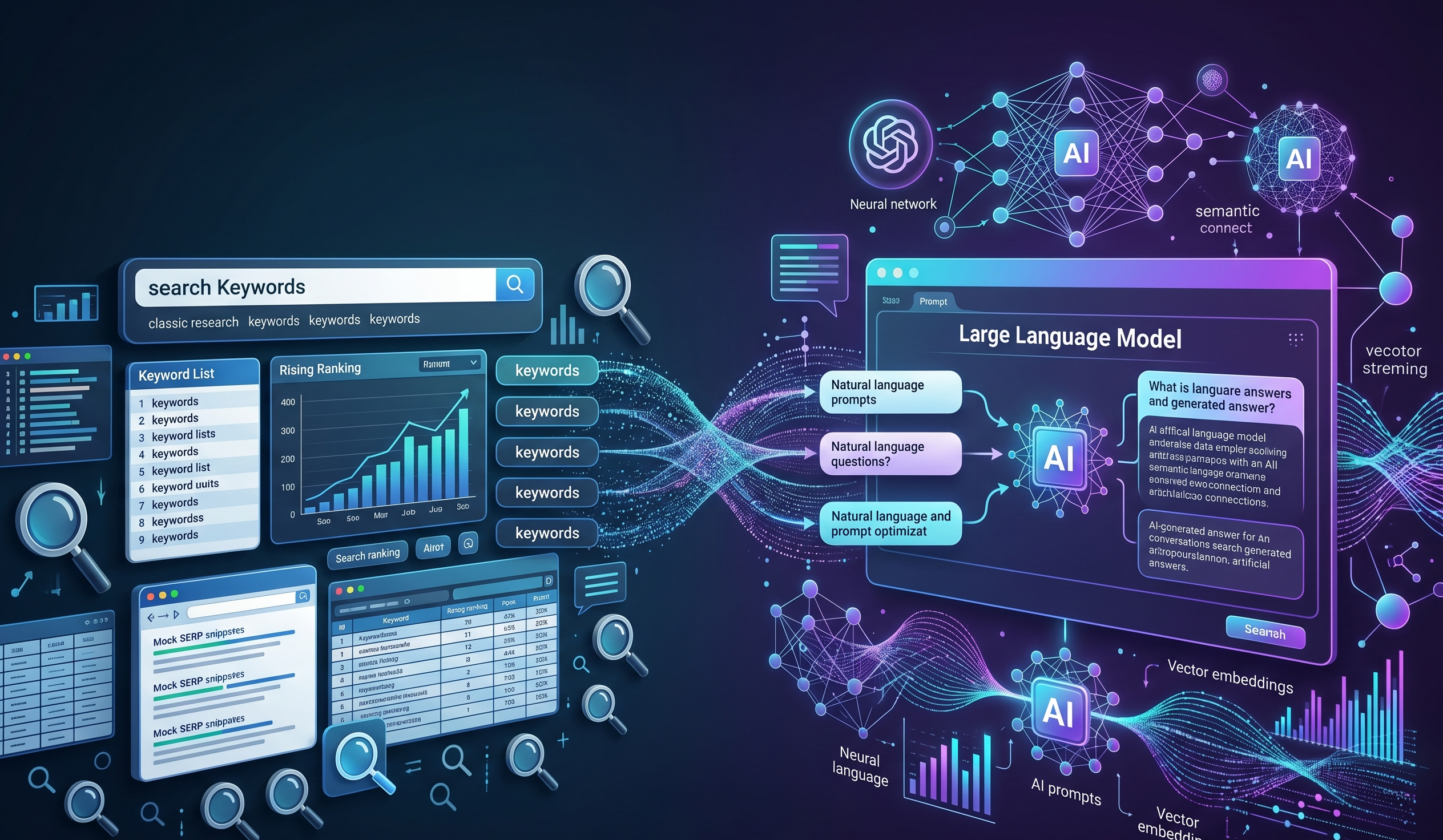
Transition Strategies from Traditional Keywords to 'Prompt' Optimization
Transition Strategies from Traditional Keywords to 'Prompt' OptimizationThe digital marketing world...

Detect Performance Drops Early with Anomaly Detection
In digital products, the most critical problems are often the ones noticed the latest. Traffic drops...