

Marketing tips, news and more
Explore expert-backed articles on SEO, data, AI, and performance marketing. From strategic trends to hands-on tips, our blog delivers everything you need to grow smarter.
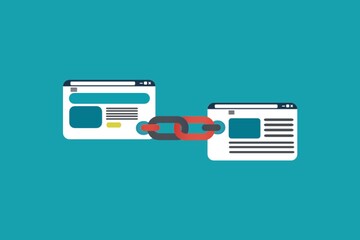
What is Link Building? SEO Guide For Internal Linking
In-site linking and link building are among the SEO items that directly contribute to the crawlability and indexability of our pages. Search engine bots crawl our pages from link to link. For this reason, it can be said that link building and internal linking are the backbone of a site. As we shared with the screenshot below, you can see Mike Khorev's high rate of internal linking and link building in the Google ranking algorithm for 2021.At the same time, in-site linking and link building ensure that the visitors we can attract to a page can discover other pages and make them easy to navigate. It contributes to the prolongation of the time a user visiting our site spends in his session and to increase our page view potential. To sum up, it is very important both for search engine bots and for our visitors to have an efficient experience.What is Link Building and How Is It Done?Link building is a method of navigating users between pages on the Internet. Link building should be shaped according to the importance of the pages on our site. Thanks to this construction, which is the backbone of the site, you can create authority and increase your organic traffic gain by increasing your rankings. As shared with the image below, intra-site linking should proceed in a certain hierarchical order.Since your page with the most links on e-commerce sites can easily access all pages, it is recommended to have Homepage, followed by category pages in order to support the product discovery potential of users.It is known that search engine bots prioritize 360-degree quality, high-relevance and unique websites in the long-term ranking algorithm. As for how link building should be done, it is recommended that in-site linking works be built in a way that directs visitors to relevant and useful links, in order to obtain long-term benefits.E.g; “What is Backlink and How to Get It?” from a page about Link Building. Linking content will navigate users more accurately.Formation of Links and Appearance by Search EnginesIn order to understand how the links, which are the backbone of the site, are viewed and interpreted by search engine bots, we can examine the link anatomy in the Moz - Guide to Link Building content together. Start of Link Tag: The Link Referral Location: The URL pointing to the link. It is the clickable area to switch to the relevant page. Visible/Anchor Text of Link: It is the text that visitors see on the page and click to reach the relevant link. Closure of Link Tag: It is the closure that notifies search engines that the link tag has ended. Google Link Building Algorithm and Link TypesGoogle announced the "PageRank" algorithm, which takes into account the number of links earned by that page to measure the quality of a page. The irrelevant and unhelpful link acquisition from the content resulted in the PageRank metric being manipulated. For this reason, Google published the Penguin algorithm in 2012. With this update, it was announced that low quality link building will not contribute to ranking performance in the long run.Within the scope of link building, link types are basically divided into two. External Links: These are links that point to a different/external domain than the source domain. If a different website links to your site or if you are linking to a different website, this is an external link. E.g; Link Anchor Text Internal Links: Links from the source domain pointing to the same source domain. They are links pointing to other pages on the same website. E.g; Keyword Text Up until this point in our blog, we have summarized the importance of link building in the Google ranking algorithm and the points to be considered until this part. We will continue with details on how to make internal linking to our content. What is In-Site Linking?Internal linking is a method by which you can navigate your visitors among other pages on your site. In other words, a link is output from a page in the same domain to a different page. It helps you transfer your site's hierarchy to search engines.This method does not only provide crawling and indexing of pages. It also enables pages to rank higher. You can improve crawling, indexing, and therefore ranking performance by linking the deeper pages of your site from other useful and appropriate pages.We can list the benefits of in-site linking as follows. It navigates visitors through the site. It improves the crawling performance of the site. The hierarchy of the site is established. The site is more easily understood by search engines. The value of the pages increases. It improves ranking performance among other sites. How to Make In-Site Linking?We can convey the optimal in-site linking structure of a website with the image below. This structure refers to a structure in which there are links from the homepage to all pages. There is a flow throughout the site, increasing the ranking potential of each page.We will first define the term Link Equity within the scope of suggestions on how to do in-site linking. Link Equity (Link Juice, PageRank) is a search engine ranking factor that transfers authority and link value from one page to another. This value consists of various factors such as page authority, HTTP status.Points to consider when linking within the site; Is the Link Related? It is recommended that the other page that you link to any of your pages should be relevant. In this case, you do not manipulate the search engine bots and direct your visitors to pages that are highly relevant to the current page. For this reason, one of the most critical points in in-site linking studies is to make links with high relevance. In In-Site Linking, Do Outgoing Links Go to Related Pages? A visitor expects to reach other relevant pages from the target page they reach. If the number of outgoing links from a page is very high, you should check if the outgoing links are relevant to the topic of the page. You can start by examining the links other than the header and footer links. At this point, your roadmap could be “Which pages the user hopes to reach from the current page?” In Incoming Links, Do Incoming Links Come From Related Pages? If the target page has a high number of links within the site, it means that the page is a source, a high authority and a valuable page. By being detected more intensely by search engine bots, the frequency of crawling is reinforced. At this point, incoming links to the pages should be checked. It should be ensured that the pages with high performance are linked more intensively but meaningfully within the site. Can the link be tracked? Links with nofollow tags are not followed by search engine bots. Such links do not transfer any value. For this reason, it should be ensured that there is no nofollow tag in the links that are requested to transfer value in intra-site linking. In intra-site linking studies, it is recommended to use the dofollow tag in internal links to the site's own domain. Not using any meta tags (like dofollow or nofollow) in link building gives a "follow link" signal to search engine bots. Therefore, you do not need to use an extra dofollow tag in your on-site linking efforts. Where will the link be placed on the page? Links positioned within the content have higher authority than links in areas such as footer or sidebar. These links are areas that can be noticed and clicked more easily by users in intra-site linking. How Many Links Should a Page Have? There is no limit to the number of links to be found on a page. Considering the depth of the site, intra-site linking can be worked on. What should be the HTTP Status Code of the Linked Page within the Site? Pages with 200 and 301 status codes maintain their link authority. The 301 redirected page transfers all the authority it has to the target page. However, in terms of crawl budget optimization, it is recommended to link only 200 status code pages within the site. Links with 301 and 404 status codes should be removed from the site. Does Anchor Text and Link Match? In in-site linking studies, the anchor text gives a general impression of which queries that page is targeting, without the need for a page to be crawled by search engine bots. The anchor text should contain the query targeted with the page. In intra-site linking studies, it should be checked with which link texts the pages gain links. Is the URL Structure of the Site SEO Friendly in Link Building? Search Engine Bot does not prefer to follow URLs that are Directed, Blocked with robots.txt file, Contains keyword stuffing and double content, Containing non-recommended characters (numbers, Turkish characters, etc.), Containing monitoring parameters at the time of crawl. Search engine bots can penalize spam pages to protect their users. Therefore, it is recommended to detect and remove such URLs that are linked within the site. Are Link Headers Used in Your Site Links? In order to measure the quality of the pages, Google measures the performance of the website in terms of user experience under the control of Accessibility with its Lighthouse tool. In the internal linking evaluation, it is known that having the titles of the internal links will enable the search engine bots to understand the link more accurately and easily. For this reason, you should make sure that the links on your website have a title value.References https://mikekhorev.com/seo-ranking-factors https://moz.com/beginners-guide-to-link-building https://moz.com/learn/seo/internal-link https://moz.com/blog/linking-internally-externally-from-your-site-whiteboard-friday https://moz.com/learn/seo/what-is-link-equity https://moz.com/blog/the-anatomy-of-a-link https://www.mattcutts.com/blog/text-links-and-pagerank/
What is Google Index? Why is it Important and How is it Optimized?
Search engines follow a 3 step process in order to reveal the most relevant outputs regarding the users' needed inquiry. Orderly, these steps are Crawling, Indexing and Ranking and Serving. Crawling: The discovery of websites done by the search engine bots as they reach the existing information on the internet. As they scan, bots follow the links that are embedded on websites and reach new ones. Due to the links that are present on websites, bots scan by visiting billions of websites online. Indexing: The process of bots saving adding already visited websites to a data storage system. Indexing is the second step that comes right after crawling. Ranking and Serving: The end result of the Search Engine Results Page (SERP) which lists out websites that are the most relevant to the users' searches. This ranking is done from the most relevant websites to the least. What is Indexing and Why is it Important?Indexing is the entire process of search engine bots processing and saving the data from the websites that they scan, and place them in a storage system. Bots try to analyze and make sense of the content on each scanned website. During the analysis, elements such as keywords, visuals, content and the generic build that the website has are classified. The information that is obtained through the analysis is added onto the index and is stored on the search engines' database; ready to be offered to the users.Why is Website Indexing Important?The pages that are not indexed vie bots are not present on Search Engine Results Page because they do not reside in the databases. Therefore, they do not get any organic traffic. That is why, during SEO optimizations, indexing is crucial for pages that are expected to gain organic traffic.How are Indexed Pages Questioned on Google?A process also known as Google index questioning, allows us to see the page numbers that are indexed and not indexed on Google for a specific website. There are two different methods to check the number of pages that are indexed and which pages are indexed.Questioning Index via Using GoogleIf we are to type "site:example.com" (Example being the domain name) on the search bar, we can see the number of the pages that are indexed by Google. If there are no results on SERP, this indicated that there are zero pages that are indexed.Index Questioning via Using Google Search ConsoleAfter logging in to the related website's Google Search Console account, we can click on the "Coverage" section which is located right under the "Index" section. Here, the number that we see under the "Valid" section shows us the number of pages that are indexed. Through the details section, we can get more detailed information on the pages that are indexed. If the "Valid" section reveals the number to be zero, this means that no pages are indexed. The number of errors we get on indexed pages can be found under the "Errors" section whereas more information about these errors can be found under "Details".What is Google Indexing Request and How Can You Submit One?Also referred to as Google add site, submitting an indexing request is to inform Google of your website pages and asking to be indexed. Submitting these pages to Google goes not mean that Google will quickly index them nor that the pages will immediately show up at the top on SERP. Indexing requests are done only to inform Google of new or modified pages are added onto a website that are not indexed yet. How and when the pages are indexed are up to Google bots.Submitting an Indexing Request via Using Google Search ConsoleIn order to submit a Google Index request, the first step is logging in to the related website's Google Search Console account and adding the URLs of the chosen pages under the "URL Inspection" section. After a few seconds of waiting, Search Console draws Google Index datas and reveals the current indexing status of the pages in question. On the right hand side of the same screen, clicking the "REQUEST INDEXING" section submits an indexing request for the related URLs.What is "Remove Google Index Pages" and How is it Formed?Also known as delete Google index pages , remove Google index pages is the act of informing Google about certain pages on a website and requesting for them to be removed. Informing Google about certain pages means signaling the bots to prioritize these pages; however once again, it is up to the Google bots how and when these pages will be removed from the index.Remove Index Pages via Using Google Search ConsoleThe first step is logging in to the related website's Google Search Console account and clicking on "Removals" located under the "Index" section. Later on, a removal request is formed by clicking on the "NEW REQUEST" button located on the right hand side of the page.How and Why the Index Status of Pages ChangeSometimes, it is possible not to request each page on a website to be indexed. There can be different reasons to why one might want to check and/or change the pages' index statuses. These are the following; Pages that are unfit for indexing can be excluded for scanning budget optimization (ie: Static pages) Pages that are still being tested that do not provide original and quality content can be left out of indexing in order to protect the website authority and prevent user access. In situations as such, the indexing status of pages can be checked by redirecting the search engine bots. What are Robots Meta Directives and Can We Use Them?Robots Meta Directives are the codes that are assigned to bots in order to check the indexing status of the pages on a website. Robots Meta Directives are divided into two being Robots Meta Tags and X-Robots Tags.Robots Meta TagsRobots Meta Tags are codes that are written on the HTML sections of pages that are able to guide some or all browsers. The most common types of Robots Meta Tags are index/noindex, follow/nofollow and noarchive.Index / Noindex tags instructs search engine bots on whether to index pages or not. Where Index instructs the pages to be indexed and shown on SERP, noindex in contrast instructs the pages to not be indexed and not to be shown on SERP.Unless the term noindex is not specified, search engines act in a way to index all pages. That is why, specifying the term index is unnecessary.X-Robots TagsX Robots Tags are used as a part of the HTTPS over-script section. The instructions that are sent are the same as they are with Robots Meta Tags, they are only an alternative method.Why Do Search Engines Remove Indexed Pages?The pages that are indexed by bots can be removed from the index without the intervention of webmasters (ie: webmasters using the "noindex" meta tag to instruct the bots). The removal of indexed pages from the search engines can be the result of the following, Getting 4XX coded client errors or 5XX coded server errors on the pages in question Violating the terms of conditions of the search engines Needing access permission for the related pages and the fact that they are not accessible to everyone What are Canonical Tags and How are they Used?Canonical Tags are the codes that inform bots whether the related pages prefer a certain version or not. If a page contains a canonical tag, the bots assume that there is a much more preferred, alternative version of the selected page, and the URL that is placed on the canonical tag is viewed as the authoritarian page. However, if the page does not contain a canonical tag, bots assume that there are no alternative versions of that page and indexes the page as the original one.Canonical tags prevent the original pages from losing their value to alternative versions. The main point of caution here is knowing that the canonical tags do not directly intervene to the pages' index statuses. In order to intervene to the index statuses of the pages, the index/noindex meta tags should be used.When to Use the Canonical Tags Canonical tags are used when a page contains elements such as filtering, ranking, etc. in order to direct URLs with parameters to versions without parameters. Canonical tags should also be provided in order to prevent the duplicate content problems that might be caused by similar versions of the pages. Canonical tags should be used in each original page in order to inform bots on the existing original pages within a website. How to Optimize Indexing?Optimizing Google indexing benefits to improve the scanning budget. That is why the indexing optimization is very important for SEO operations. During the optimization of indexing, we must make sure to apply the following articles; Using the correct robots.txt file (ie: Placing the "disallow" command on pages that are indexed in order to gain organic traffic is a faulty use because the pages that are disallowed will be unavailable for scanning, therefore will not be indexed.) Having the correct and organized on site link architecture for the website Conducting backlink analysis Using sitemap Using the robots meta tags and canonical tags correctly Having mobile compatibility for the website Providing up-to-date, quality and original content to the users, and indirectly to the bots. It can be learnt how an SEO friendly content is prepared from our related blog article. In order to learn more information on SEO and digital marketing processes, you can visit the AnalyticaHouse blog page or contact us directly.Resourceshttps://developers.google.com/search/docs/advanced/robots/robots_meta_tag https://developers.google.com/search/docs/advanced/crawling/overview?hl=tr https://www.linkbuildinghq.com/crawling-indexing-ranking/ https://moz.com/beginners-guide-to-seo/how-search-engines-operate https://www.onely.com/blog/how-to-create-an-indexing-strategy-for-your-website/ https://www.searchenginejournal.com/11-seo-tips-tricks-to-improve-indexation/288521/#close https://www.semrush.com/blog/google-index/ https://www.semrush.com/blog/what-are-crawlability-and-indexability-of-a-website/ https://seranking.com/blog/canonical-tag-guide/ https://www.vargonen.com/blog/canonical-url-nedir/ https://moz.com/learn/seo/robots-meta-directives
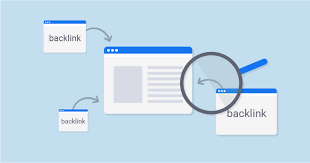
What Are Backlinks and Why Are They Important?
Backlinks; are links from one site to another. Backlinks are called "inbound links" or "incoming links". In other words, they are links that are earned outside the owned domain. With this method, sites become references to each other, and the site in the link is recommended to users and search engine bots. Thus, we signal to users and search engine bots not only the performance of the website, but also that this is a recommended website outside the site as well. We gain a vote of confidence consequently. Thanks to backlink and off-page SEO, popularity Relevance, reliability, authority of a website is developed in the eyes of users and search engines.Down below the effects and importance of backlinks to websites are listed.1.ReferralWhen a website is vouched for by different websites, search engine bots think that “this page that has a link from a different domain is worthy of being displayed higher in the SERP” (Search Engine Result Page). Thus, backlinks have a positive impact on a page's ranking position and visibility.2.PopularityAlthough the traffic earned to a website is a messy metric, and the visitors to the site are embedded in the logs of the private servers it is easier to analyze the traffic earned to the site because the external links are more stable (The source from which users are acquired can be analyzed more easily.) Therefore, backlinks can easily measure the popularity of a page.3.RelevancyLinks provide clues to search engine bots about the relevance of pages. Anchor text reflects the content of the linked page. And it contributes to the more efficient indexability of the relevant page by search engine bots.Backlink Perception and Algorithm Updates from Past to PresentGoogle has announced the PageRank algorithm about the links it sees as a ranking factor. The PageRank algorithm, in general terms, calculates the number of links (hyperlinks) a page has earned. With this algorithm, the websites with the most links are ranked higher. PageRank is a value from 0 to 10. This value is calculated by the following items in general terms; Quantity and quality of inbound link pages Number of outbound links on each link page Page order of each linking page Although this algorithm is much more complex today, since the number of links is at the forefront and it creates a link market, Google has withdrawn itself in this regard and has not made any PageRank updates.Backlink & Off - Page SEOSearch engine bots links are used as a quality indicator of the linked content. It is often listed higher than sites with poor quality backlinks. Only getting references from high-quality websites contributes to the website.Backlink types are divided into two as earning and giving.1-) EarningNatural Links: These are the links earned editorially without any action by the page/domain owner. E.g; food blogger linking to her favorite organic products in a recipe.Manually Built Links: These are the links earned for the purpose of planned link building. E.g; Like asking influencers to share links, making your users visit your site by clicking the link.Self Created Links: These are links that do not look natural, such as forums and blog comments, and are entirely earned by the website owner. Comment backlinks do not contribute to off-page SEO performance.2-) GivingThese are the backlinks gained from irrelevant sites without the knowledge of the website.Factors that Determine the Value of BacklinkIn order for the earned link to contribute to ranking performance and organic traffic, this external link must have the following values. Popularity of the linking site The relevance of the linking site, to the site Freshness of the link Anchor text used in the linking site (whether it is a keyword that is compatible with the content and targeted for development, variety should be considered in anchor texts, since a page's link gain with the same keyword can be perceived as spam.) The credibility of the linking site Number of other links on the linking page Authority of the linking domain What Are Backlink Metrics?Domain Rating (DR): Shows the strength (in terms of size and quality) of the overall backlink profile of the target website. It is scaled according to the value of incoming connections to the domain. Link strength is a metric that is calculated in relation to the visibility and traffic of the target website by search engine bots, as it is considered a vote of confidence.The DR rate can increase by gaining quality and more quantity backlinks from domains with high DR rate. Because the content shared by a website with a high domain authority is quickly indexed by search engines and the quality of the links it gives is higher than other websites.URL Rating (UR): Shows the strength (in terms of size and quality) of the overall backlink profile of the target URL. It scales based on the value of inbound links to the page.Anchor Text: It is the anchor text that the link points to.NoFollow: Tags added for links that are not wanted to be followed by search engine bots in a domain. The use of nofollow in links is a tag that ensures that the bots do not follow the page and therefore the reference & authority value is not passed on.DoFollow: These are the reference links that allow the page and domain value of the link given from one domain to another domain to be shared with the site to which the link is given.Reaching a domain with the redirection of a different domain increases the value of that domain, while the reached domain may harm the value of the domain for which the connection is gained. These damages can be technical as well as affect the image of the external linking domain. E.g; Let's assume that a link is given from domain A to domain B, possible errors in domain B (404, 500 errors) or possible link attacks from domain B will damage domain A. In order to prevent such damages, link output can be provided with nofollow tags in order not to be a reference to the relevant domain. These links will not contribute anything to the link profile of the site. Backlink strategy should be based on dofollow link acquisition.Hacklink Link: Links from a website to another website using illegal methods without the knowledge of the website owner. It is a prohibited link acquisition method, both legally and in terms of search engine guidelines.Harmful Link: It is the situation where a website gets links from irrelevant domains. Such malicious links are usually earned from domains that only exit links and have no purpose or content. Such malicious links must be detected and rejected via Search Console by creating a disavow file (backlink rejection file).What are the Points to Consider While Getting Backlinks? Your backlink should be editorial. Footer, harmful and comment backlinks should be avoided. Natural and quality backlink acquisition should be inclined. It will be more beneficial if the linked site is relevant to the site. It will be both a useful reference and focused users will visit the site because it appeals to a similar target audience. Harmful and irrelevant sites should be avoided. A single anchor text should not be linked. The reliability of the site to be linked will give our site a healthier vote of confidence. The DR rate of the linked site should be checked. The traffic volume of the site to be linked should be checked so that you aim to attract traffic to your page. Getting dofollow backlinks and the number of other links on the linking page should be checked. The continuity and freshness of the received link is important. Commonly used SEO tools while performing backlink work are as follows. Ahrefs Majestic Google Search Console Where to Get Backlinks and How to Research?Among the alternative link acquisition methods, natural and free backlink acquisition should be ensured with unique and different applications on the site before purchasing backlinks.For this, Quality content Widget and calculation tools Event calendars Infographics Competition and testing Site-specific original content and events can be designed.First things first, in order to purchase editorial links, the referring domains report in the SEO tool called Ahrefs determines the domains with the highest quality DR ratio that link to a website. If these domains are compatible with your site, links can be purchased. With the backlinks report in the same tool, it can be determined which domains provide the most referral traffic to the website. If these domains are compatible with the site, we can make purchases. It is also possible to determine which pages can be linked to with the same report.Secondly, competitor research should be done, the competitors of the URL to be linked are analyzed so that backlink purchase can lead to development for the target keyword and page. For this, the first 5 competitors listed in the keywords targeted by the page can be considered. In the Ahrefs tool, the page to buy the link is added to the Site Explorer section, and competing sites are added to the Link Intersect section. On the result screen, the domains where the target URL does not gain links, but where the competitors gain links, will be listed. Trusted sites can be analyzed by listing the DR ratio from largest to smallest. From here, sites with high organic traffic that may be relevant to the site are detected.Finally, websites related to the site to be purchased are searched.E.g; A link to the thermal underwear category page can be purchased from a site targeting the camper/outdoor audience. For a website that sells design and luxury products, a link can be purchased from a website that shares luxury and lifestyle content. Before buying a link, attention should be paid to the DR rate of the sites, the up-to-dateness of their content, their organic traffic, and whether the link will be dofollow.It is also significant to conduct a competitor analysis before determining the website's backlink strategy as well. You can check how to do an SEO competitor analysis please have a look at our relevant content.

The Pomodoro Technique In 5 Steps
We are now in a whole different era as of Covid-19 having its place in our lives. In these times when we have started to work from the house, distracting factors have increased considerably. But, counteracting those factors and fully concentrating is possible with the Pomodoro Technique!We are here to answer all your questions such as "What is Pomodoro? How to apply the Pomodoro Technique?", with "Pomodoro Technique in 5 points."1) What is Pomodoro? What does Pomodoro mean?Pomodoro as a word is the combination of Italian "pomo "(fruit) and "doro" (gold) and actually means tomato. It is thought that this word, which was previously used as “pomo di moro” by the Italians, became “pomodoro” after being mistranslated by the English translators. Surprising, isn't it? You might be wondering what does a tomato have to do with the Pomodoro Technique. Well, because it was named after a tomato look-alike timer used in the kitchen.2) What is the Pomodoro Technique?The Pomodoro Technique is a time managing technique that makes you use your time more efficiently and focus better. It helps you define and manage your tasks better. It makes it possible for you to fully focus on your tasks by counteracting all the distraction factors completely. With the help of this technique which gamifies the work, you can complete your tasks on time without getting bored.Who can apply the Pomodoro Technique?If you are the kind of person who often complains "I cannot start working", "I keep postponing what I need to do", "I cannot focus", the Pomodoro Technique is just for you!The Pomodoro Technique can be used by students, employees with long working hours, and professionals engaged in continuous production. In fact, this technique appeals to a fairly wide audience. The Pomodoro Technique, which will allow you to use your time efficiently, will also put your work in order.3) How did the Pomodoro Technique come up?Lack of attention, loss of concentration, and such problems are not inherence only for today's world. The Pomodoro Technique was invented by Francesco Cirillo, who has had problems focusing and finishing his tasks in the 1980s. Bored of his workload, Cirillo decided to focus on his work for only 10 minutes and kept the time with a tomato-shaped timer he found. Thus, the Pomodoro Technique was born.Cirillo, later on, developed the technique further and published a book of about 130 pages on the Pomodoro Technique. But do not let this mislead you, although a 130-page book has been written about it, applying the Pomodoro technique is quite simple!4) How to apply the Pomodoro Technique?There are 6 core steps of the Pomodoro Technique developed by Cirillo: Select the task to complete. Set the Pomodoro timer for 25 minutes. Start working on the task. Tick up a piece of paper when the alarm goes. Take a break. If you have less than four ticks, that is, you have practiced less than four periods of the Pomodoro. Take a short break of 3 to 5 minutes, and return to Step 2 after the break. If you have applied the Pomodoro more than four times, proceed to Step 6. Give a long break of 15 to 30 minutes. After the break, repeat these six steps until you have finished your task. What is a Pomodoro?A Pomodoro is obtained when the time of work and rest are added together. After the four Pomodoros have been completed, there is a long break.Things to consider while applying the Pomodoro TechniqueIt is important to set an alarm or timer in order not to exceed the working and resting minutes. You can increase or decrease your working minutes according to your own experience and attention span. And the most important point to be considered while applying the Pomodoro technique is to only work during working times and to only rest during resting times.To increase your focus while working, you need to get away from anything that will distract you. It may be helpful to mute your phone, put it on the "Do not disturb" mode, or turn off notifications. In addition, you can also benefit from music that will increase focus.During your rest period, you should be completely away from your work. In this regard, it will be beneficial for you to get away from the environment in which you are working.Increase your productivity with the Pomodoro TechniqueIt is important to break up your tasks into smaller chunks to increase your productivity. In this way, you will not overestimate the work you are to do and get to work more easily.You can combine the Pomodoro Technique with other productivity methods and increase your efficiency. You can as well benefit from the [Pomodoro](https://play.google.com/store/apps/details?id=com.tatkovlab.pomodorolite&hl=tr&gl=US) [apps](https://play.google.com/store/apps/details?id=com.tatkovlab.pomodorolite&hl=tr&gl=US) to apply the Pomodoro Technique in the most efficient way.5) Pomodoro Timers & AppsWhat makes the Pomodoro timers on the internet more attractive is that they are not limited only to the Pomodoro Technique. Here are four Pomodoro timers and apps we have chosen for you!focus boosterSometimes you might have connection problems and suddenly become offline. [focus booster](https://www.focusboosterapp.com/) continues to keep the time even when are offline. focus booster can be a good choice with its simple design, sending you reminders and being compatible with every device. You can also add tags to your tasks and categorize them.Otto[Otto](https://chrome.google.com/webstore/detail/otto-%E2%80%93-pomodoro-timer-and/jbojhemhnilgooplglkfoheddemkodld) is a browser extension, unlike others. Otto does also have a website blocker function which will help you keep away from websites that would distract you. Unlike other Pomodoro timers, Otto offers you your daily distraction chart by measuring your working hours and your interaction with blocked sites on a daily basis. In this way, you can also track how much you are distracted.PomotodoWith [Pomotodo](https://pomotodo.com/), you can list your tasks and use it as a Pomodoro timer. You can create top-to-bottom lists and order your tasks in order of priority. After you sort your tasks, you can start the Pomodoro timer, so you can easily keep track of your tasks.And with its premium feature, you can connect Pomotodo to your smartwatches and calendar!ClickUpYou might have heard of [ClickUp](https://app.clickup.com/) before! ClickUp is a very popular productivity application, and it is very easy to use with its simple interface. A new feature of ClickUp, which you can use for both individual and teamwork, is the time tracker feature, and it means you can also use ClickUp as a Pomodoro app by using the timer feature!Sources https://todoist.com/productivity-methods/pomodoro-technique https://zapier.com/blog/best-pomodoro-apps/ https://en.wikipedia.org/wiki/Pomodoro_Technique https://www.zemraf.com/blog/pomodoro-teknigi-nedir-nasil-uygulanir
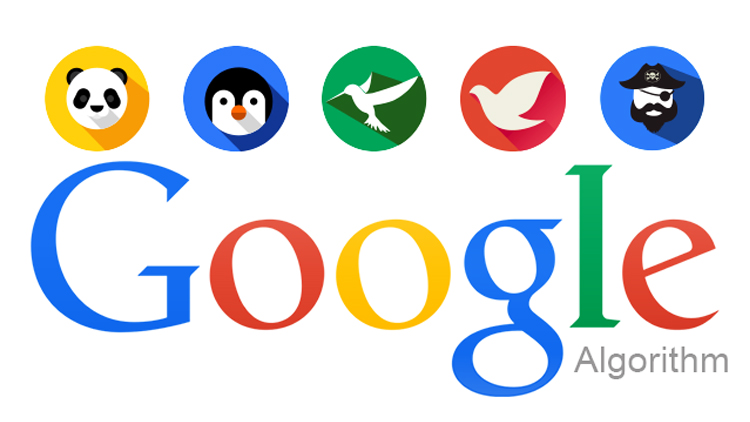
Google Algorithm Updates and Changes Over the Years
Search engines develop algorithms that are copyrighted and maintain confidentiality in order to show users the most accurate search results. The most important factor that enables search engines to give accurate and meaningful results is measured by how accurate their algorithms are and the contribution of the improvements made.What is Google Search Algorithm?Google defines the term algorithm as computer programs that work to answer your search for the answer to your question.Google constantly makes minor changes in its algorithms to optimize these results, and frequently announces major changes to website owners and SEO experts.The websites and twitter addresses that provide news and information about Google updates are as follows: John Mueller webmasters.googleblog.com Google SearchLiaison Moz Rand Fishkin Search Engine Land Search Engine Roundtable Matt Cutts 2011 - Google Panda UpdatePreviously, although the content quality was poor, website owners were publishing too much content in order to rank high, and they were plagiarizing by combining content from many different websites. This situation did not go unnoticed by Google, and they realized that users could not reach the right result because of these websites. Although 10 years have passed since the Panda update, it is one of the most important updates aimed at showing quality websites to the user, which is still effective and negatively affects low-quality websites.After the first update in 2011, 12% of search results have changed and there are still websites affected by that loss. This update, which first showed its effect in 2011, still continues to be effective through various regulations.The Panda algorithm focuses more on on-page topics and pays attention to weak, irrelevant content, duplicate content, and meta tags. The situation of keyword cannibalism, also called keyword stuffing, that brings more harm than good, has emerged with the Panda update.2012 - Google Penguin UpdateWith this update, links from low-quality and irrelevant sites that are considered spam and manipulative work and an important step is taken in terms of backlink quality.Now, not the number of backlinks, but the domain value of the site from which the link is received, the page value, the word from which the link is obtained are much more important, and poor quality links bring more harm than good. The Penguin update, which was announced for the first time in 2012, has been improved over the years and efforts have been made to ensure that the algorithm gives more accurate results.2013 - Google Hummingbird AlgorithmThe Hummingbird update has made a big improvement in Google's core search technology and now aims to understand the user's intent and show appropriate results instead of providing keyword-basis results. With this update, which is especially needed with the increase in voice searches, the term search intent has started to be used more frequently in the SEO world. After the Hummingbird algorithm update, the importance given to long and medium tail keywords has increased.Knowing your target audience and using the appropriate communication language will prevent you from being negatively affected by this update. It has also been seen that using a language close to human language in meta tags and content can lead to improvements in ranking factors.2014 - Google Pigeon AlgorithmPigeon Algorithm one of the updates made by Google to bring the local search algorithm closer to the web algorithm and to provide better service. With the Pigeon update, it aimed to show the search results according to the location of the user by addressing the geographical locations. Sites with incorrect or missing Google My Business pages are affected by this update.Local businesses must create a My Business account and make sure that it matches information such as contact and location on your website.2015 - Mobilegeddon AlgorithmThe fact that more than 50% of searches are made from mobile devices has made it necessary for Google to put forward the mobile compatibility algorithm. With this update, the importance of mobile devices has increased and while it has increased the sites with mobile-optimized pages to the top, it has caused a decrease in the non-improved pages. This update only affected mobile searches.With the launch of the mobile compatibility test, Google asked you to check whether your pages are mobile-friendly and suggested responsive design. With mobile first indexing announced in 2018, it has announced that indexing will be determined according to your status in mobile searches.2015 - Google Rankbrain AlgorithmRankbrain is an update that is compatible with machine learning and aims to show the user the correct results in the queries made. In this way, words can be completed, predicted, the most relevant results can be listed by analyzing the content against the queries.One of the most important issues that this algorithm update focuses on is user experience. If your website has high bounce rates and low session times, the user's next query is much less likely to rank well.Because according to the user's query purpose, it performs a machine learning based on historical data and aims to show much more relevant results based on the location, search query, age, gender, education and previous searches of the user.2016 - Google Possum UpdateIt is an update that affects local searches and has impacted search results. It shows the search results targeted with the Possum update, depending on the user's location and business locations. Sites that share the same address as another business were negatively impacted in search results. Some businesses that are poorly listed in organic searches have made it easier to rank locally with the Possum update. This revealed that the update parsed local searches more than organic results.2018 – Google Mobile Speed UpdateWith this update announced in 2018, Google stated that mobile speed is a ranking factor. Back in 2010, Google said that page speed is a ranking factor, but it's determined by the desktop device only. It started in July 2018 by looking at how fast your mobile pages are and using it as a ranking factor in mobile search. This update mostly affected sites with slow mobile versions.2018 – Google Medic Core UpdateThe Medic Core Update has affected the health, medicine, medical, diet, fitness, medical device industries a lot. Most of the websites in these industries suffered traffic loss of over 30%. In order not to get caught in the Medic algorithm, the content to be created should be developed according to expertise, competence and reliability, the About Us page should be well optimized, the information on the contact page should be real, reputation management (comments, press, user generated content and press) should be applied very well.2019 - Google Florida 2 UpdateIt is a rooted kernel update. Google has announced that YMYL sites are the most affected by the relevant algorithm. What is YMYL? If your site contains content that will affect a user's health, happiness, safety or financial situation, this site is YMYL (Your Money Your Life). With the effect of this situation, finance, health, law and shopping sites were most affected by the algorithm. The accuracy of the contents has become even more important.2019 - Google BERT UpdateBERT update is a neural network based technique for natural language processing (NLP) and machine learning algorithm. The term BERT is used as an abbreviation for “Bidirectional Encoder Representations from Transformers”.BERT is Google's development of NLP technology so that it can fully understand what the words in a sentence mean with machine learning. With BERT, Google can reveal the full context of the related word by looking at the words and phrases before and after it. In this way, it uses the context of all the words in the sentence and their relations with each other. This development represents a major improvement in the intention, meaning and interpretation behind an inquiry. Therefore, out-of-context sentences, words, links can be followed better.2021 - Google Page Experience UpdateIt is a revolutionary update in the history of Google updates. After May 2021, Google officially started considering user experience as a metric by which they rank websites.With this update, the Search Performance report in Search Console has been updated to understand and filter pages with good or poor page experience.Mobile Usability: In order to be ranking well on Google, the pages should not have mobile usability errors.Security: If any page on the site has a security issue, all pages will cease to be in Good Condition.HTTPS Certificate: To be considered a good page experience, the site must be served over HTTPS with an SSL certificate.Ads on Pages: Websites should not implement ad placements that will negatively affect the user's experience and take up most of the page. Otherwise, it cannot be considered a good user experience.
Googlebot and How Does It Work? What Are the Types of Googlebots?
Googlebot is the web crawler used by Google to gather necessary information and create a searchable web index. Googlebot has mobile and desktop crawlers as well as dedicated crawlers for news, images and videos.What is Googlebot?Googlebot crawls web pages through links. It finds and reads new and updated content and suggests what should be indexed. The directory can be considered as the place where Google stores information. Google uses large numbers of computers to send their browsers to every corner of the web to find these pages and see what's inside them. Googlebot is Google's web crawler robot and other search engines also have their own search bots.How does Googlebot work?Understanding how Googlebot works is essential for successful search engine optimization. Googlebot uses sitemaps and databases of links discovered during previous crawls to determine where to go on the next crawl. When robots find new links on the site, they add them to the list of pages to visit next. If Googlebot finds changes in links or broken links, it takes note of it so that the index can be updated. The program determines how often it scans pages. To make sure that Googlebot can index your site correctly, you should check the crawlability of the site. If your site is open to search engine robots, your website will be crawled periodically.Also, if Googlebot detects changes to broken links or other links, it makes a note of updating it in the Google index. Therefore, you should always make sure that your web pages are crawlable so that they can be properly indexed by Googlebot.Let's look at the web indexing processes.What Are the Types of Googlebots?Google has many different types of Google crawlers, and each is designed for the multitude of ways in which websites are crawled and rendered. Certain directives or meta-commands for certain bots must be generated by your website.There are many different robots. For example, AdSense and AdsBot control ad quality, while Mobile Apps Android controls Android apps. For us these are the most important: Googlebot (desktop) Googlebot (mobile) Googlebot Video Googlebot Images Googlebot News To see all of Google's bots, you can visit https://developers.google.com/search/docs/advanced/crawling/overview-google-crawlers How to Find Out When Googlebot Visits Your Website?You can dig into your log files or open the Crawl section of Google Search Console to find out how often Googlebot visits your site and what it does there. If you want to take advanced actions to optimize your site's crawling performance, you can use tools like SEO Log File Analyzer by Kibana or Screaming Frog.You can use the robots.txt file to determine how Googlebot visits parts of your site. But be careful, if you do this the wrong way, you can completely stop Googlebot from coming. This will remove your site from the index.How to Optimize Your Site for Googlebot?SEO is a broad field that encompasses many useful techniques. Let's take a look at some of the most vital SEO strategies to make Googlebot's job easier. We can start by following the steps below: Make your site visible to search engines. You can do this with the "Allow: /" command in the robots.txt file. Do not use the 'nofollow' tag on internal links on your site or keep it to a minimum. These links specifically tell crawlers like Googlebot not to follow them back to their source. Create a sitemap for your website. A sitemap is a list of all your site's pages and important information about them, organized in an easy way for Googlebot to understand. If you have a sitemap, Googlebot will refer to this resource to learn about your site and find all your content. Use Google Search Console. With this set of tools, you can perform many vital tasks. For example, you can submit your sitemap so Googlebot can find and crawl your URLs faster. You can also find out if there are any crawl-related errors on your pages and get advice on how to fix them. The harder you work to make your site understandable to Googlebot and other crawlers, the more your website traffic, conversions and sales will increase.SolutionGooglebot is the little robot that visits your site. If you have made the technically correct choices for your site, the relevant robot will come to your site frequently. If you add new content regularly, it will come more often. Sometimes, when you make large-scale changes to your site, you may need to call that cute little crawler to come right away so the changes can be reflected in search results as soon as possible.Now that you know how to use Googlebot to your advantage, it's time to get down to business and get your website indexed extensively by Google. Getting help from AnalyticaHouse's SEO experts can be very helpful in this complex process. With years of experience in providing holistic SEO services, AnalyticaHouse can help your website reach its maximum potential and navigate the world of Googlebot. Contact us today to learn more.Frequently Asked Questions About GooglebotWhat Does Googlebot Do?Googlebot visits and crawls websites by following links within the page (link-to-link). Content found by robots is downloaded based on relevance and stored in the Google index. In a nutshell, Googlebot is the Google robot that works for crawling and indexing websites.How Often Does Googlebot Visit a Site?How often Googlebot crawls the website depends on several factors. The PageRank value of the relevant page, the number of existing backlinks and their quality are very important. A website's load time, structure, and frequency of updating content also play a role in how often Googlebot visits the site. A page with many backlinks may be read by Google every 10 seconds, while a site with few links may not be crawled for weeks.What is Website Crawlability?Crawlability refers to the degree to which Googlebot can access your entire site. The easier it is for Googlebot to review your content, the better your performance in search results will be.