


Fatma Betül Koç
Apr 29, 2026Optimizing Product Performance with Funnel Analysis

Google Analytics consultancy is one of the cornerstones of digital transformation. Through funnel analysis, user behavior can be monitored in detail, and product performance becomes measurable. Properly structured conversion funnels reveal where in the process users drop off. These insights enable improvements across marketing strategies, user experience (UX), and product development. In this article, we’ll explain how to enhance product performance using funnel analysis, through a real-world case study.
What is Funnel Analysis?
Funnel analysis is a method used to evaluate each step users take while interacting with a product or service. It reveals exactly where users drop off in the conversion process — whether on a website or mobile application. For instance, if an e-commerce website sees high engagement on product pages but a significant drop during the checkout stage, funnel analysis pinpoints this issue clearly. These drop-off points in the customer journey provide actionable insights for optimization.
Tools like Google Analytics 4 (GA4) allow businesses to build custom funnels with ease. The "Explorations" feature enables segmentation of users based on their behavior, making it possible to analyze different conversion paths for mobile users, organic visitors, or paid traffic. Funnel analysis is a strategic asset for product managers, digital marketers, and UX/UI designers aiming to identify friction points and enhance performance.
How Funnel Analysis Improves Product Performance
Funnel analysis offers a clear roadmap for identifying areas that need attention to boost product performance. For example, a registration bottleneck in a digital product may significantly impact overall conversion rates. Pinpointing and addressing that specific friction point — even with a small interface adjustment — can lead to a 15–20% increase in conversions, which directly contributes to revenue growth. By examining user interactions in detail, product teams gain the ability to ask better questions and implement more targeted improvements.
Moreover, funnel analysis forms the foundation of data-driven decision-making. Rather than relying on assumptions, actions are based on actual user behavior, accelerating product success. When combined with A/B testing, funnel analysis helps evaluate different versions of features or pages in a measurable way. This empowers teams to create user-centric products that better meet customer needs. In this sense, funnel analysis is not just a reporting tool — it’s a continuous improvement strategy.
How to Perform Funnel Analysis
The first step in funnel analysis is to define the conversion goal — such as a purchase, form submission, or newsletter signup. Next, you outline the steps users take toward that goal. For an e-commerce site, for example, this might include: product page view → add to cart → checkout → order confirmation. This flow can easily be monitored in GA4 using “Custom Funnel” reports. Analyzing by user segments (e.g., mobile users, traffic sources) reveals which audience groups face more friction.
In GA4, additional tools like User Journey and Conversion Paths reports help visualize the entire flow. These reports display user behaviors across your site, highlighting steps where users drop off or take unexpected actions. You can enhance your funnel analysis further by integrating it with Google Tag Manager (GTM) — setting up custom events such as "add_to_cart", "begin_checkout", and "purchase". Partnering with a Google Analytics consultant ensures your setup is accurate and your data reliable for critical decisions.
Integrating Funnel Analysis with A/B Testing
Integrating funnel analysis with A/B testing is one of the most effective ways to combine experimental and data-driven approaches in product development. A/B tests compare two or more versions of a page, feature, or layout to determine which performs better. Funnel analysis, meanwhile, helps identify where in the journey users are dropping off. When used together, you can test variations specifically at high-drop-off stages and measure their impact directly. For instance, changing the color or position of an “Add to Cart” button can be tested to see if it improves the conversion rate.
This integration is especially powerful for improving user experience (UX). In GA4, you can create segments based on funnel steps and show different A/B variants to each group. This allows teams to monitor both user flow and the performance of tested elements. Tools like VWO, when integrated with GA4, enable you to visualize test outcomes within the funnel structure. This approach goes beyond cosmetic changes — it supports comprehensive flow optimization for growth-focused product teams.
Reporting and Presenting Funnel Data
Funnel analysis data should not only be collected but also clearly communicated to product and business stakeholders. Data visualization plays a critical role in this. Platforms like Google Looker Studio (formerly Data Studio) allow you to create interactive dashboards that visualize user drop-off points step-by-step. Visuals like bar charts or funnel diagrams make the data accessible even to non-technical team members. For example, a funnel from “Product View” → “Add to Cart” → “Enter Payment Info” → “Purchase Confirmation” can highlight drop-offs at each stage clearly.
These reports should be regularly updated and shared in weekly or monthly review meetings. Since GA4 reports can be linked directly to Looker Studio, it’s possible to build real-time, dynamic dashboards. This helps in tracking the impact of campaigns or website changes. For example, if the abandonment rate on the payment page increases during Black Friday traffic, this insight allows for targeted action. Routine monitoring ensures product teams can act faster and make smarter decisions based on actual user behavior.
Choosing the Right Tools and Setting Up for Funnel Analysis
The success of a funnel analysis depends on using the right tools and setting them up correctly. Google Analytics 4 (GA4) is one of the most widely used platforms for funnel analysis. However, if not properly fed with accurate event data, the resulting analysis may be misleading or incomplete. That’s why, before starting, it’s essential to define all relevant user interactions (e.g., button clicks, form submissions, video plays) in Google Tag Manager and ensure they are correctly passed to GA4.
Supporting tools like Hotjar or Microsoft Clarity provide visual insights into user behavior — such as which elements they click, scroll, or abandon. This complements funnel analysis by adding a qualitative layer to the quantitative data. For dashboarding, Looker Studio offers flexible, segment-based funnel visualizations that help marketing and product teams interpret data more effectively. Because proper configuration requires technical expertise, partnering with an experienced Google Analytics consultant can be invaluable for ensuring long-term success.
Case Study: How a Hotel Increased Online Bookings with Funnel Optimization
A mid-sized hotel brand operating in Turkey launched a funnel analysis project after noticing a disconnect between high mobile traffic and low online booking rates. The hotel's website was not adequately tracking the user's journey from entry to completed reservation. GA4 funnel analysis revealed that 72% of users dropped off at the room selection page, with that rate climbing above 80% on mobile devices. Factors like slow page loading, confusing layouts, and missing visuals were discouraging users from completing bookings.
Based on funnel data, the following changes were made:
- Redesigned the room selection page with dedicated image galleries and clear summaries for each room
- Highlighted pricing, promotions, and cancellation policies more prominently
- Simplified mobile form fields and improved UX for date and guest selection
- Rebuilt the booking funnel with clear event tracking in GA4
- Configured custom events in GTM such as “Room View”, “Room Selected”, “Begin Checkout”, and “Booking Completed”
- Developed a custom Looker Studio dashboard for daily performance tracking by hotel management
Key Results After Optimization:
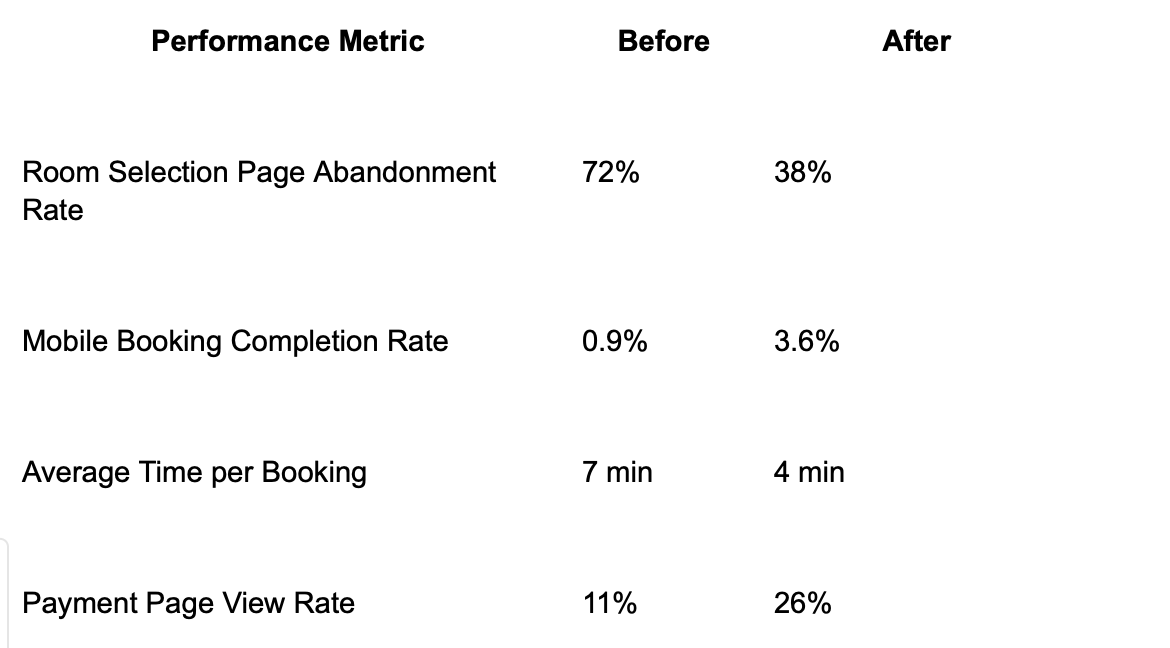
This case demonstrates how both UX improvements and accurate measurement infrastructure can yield rapid, measurable results. The hotel gained the ability to identify where users dropped off and make data-driven decisions accordingly. By optimizing their advertising budget based on funnel insights, the cost per booking decreased by 34%. As a result, funnel analysis not only optimized pages but also informed smarter, conversion-focused marketing strategies.
Frequently Asked Questions (FAQ)
1. Why is funnel analysis important?
Funnel analysis helps identify where users drop off in the conversion process. It enables businesses to detect issues within the journey and take actionable steps to improve. An effective funnel strategy reduces marketing costs, improves UX, and directly contributes to revenue growth.
2. What tools should be used for funnel analysis?
The most commonly used tools are Google Analytics 4 and Google Tag Manager. For visualizing funnels, Looker Studio is highly effective. Additional tools like Hotjar, Clarity, or Mixpanel provide supporting insights into user behavior. However, expert support is often required for proper setup and interpretation.
3. Can I do funnel analysis with GA4?
Yes, Google Analytics 4 (GA4) offers powerful features for funnel analysis. The “Funnel Exploration” tool under the Explorations section helps visualize and analyze user flows across steps. With event-based tracking, you can build highly flexible and detailed funnels tailored to your business goals.
More resources

Detect Performance Drops Early with Anomaly Detection
In digital products, the most critical problems are often the ones noticed the latest. Traffic drops...
How to Identify Non-Indexed Pages?
If you manage a website or monitor SEO processes, you know that the foundation of your digital prese...
How Do 404, 410, and 401 Status Codes Affect SEO?
In the digital world, the technical health of your website is one of the most fundamental factors de...