

Marketing tips, news and more
Explore expert-backed articles on SEO, data, AI, and performance marketing. From strategic trends to hands-on tips, our blog delivers everything you need to grow smarter.

Optimizing Product Performance with Funnel Analysis
Google Analytics consultancy is one of the cornerstones of digital transformation. Through funnel analysis, user behavior can be monitored in detail, and product performance becomes measurable. Properly structured conversion funnels reveal where in the process users drop off. These insights enable improvements across marketing strategies, user experience (UX), and product development. In this article, we’ll explain how to enhance product performance using funnel analysis, through a real-world case study.What is Funnel Analysis?Funnel analysis is a method used to evaluate each step users take while interacting with a product or service. It reveals exactly where users drop off in the conversion process — whether on a website or mobile application. For instance, if an e-commerce website sees high engagement on product pages but a significant drop during the checkout stage, funnel analysis pinpoints this issue clearly. These drop-off points in the customer journey provide actionable insights for optimization.Tools like Google Analytics 4 (GA4) allow businesses to build custom funnels with ease. The "Explorations" feature enables segmentation of users based on their behavior, making it possible to analyze different conversion paths for mobile users, organic visitors, or paid traffic. Funnel analysis is a strategic asset for product managers, digital marketers, and UX/UI designers aiming to identify friction points and enhance performance.How Funnel Analysis Improves Product PerformanceFunnel analysis offers a clear roadmap for identifying areas that need attention to boost product performance. For example, a registration bottleneck in a digital product may significantly impact overall conversion rates. Pinpointing and addressing that specific friction point — even with a small interface adjustment — can lead to a 15–20% increase in conversions, which directly contributes to revenue growth. By examining user interactions in detail, product teams gain the ability to ask better questions and implement more targeted improvements.Moreover, funnel analysis forms the foundation of data-driven decision-making. Rather than relying on assumptions, actions are based on actual user behavior, accelerating product success. When combined with A/B testing, funnel analysis helps evaluate different versions of features or pages in a measurable way. This empowers teams to create user-centric products that better meet customer needs. In this sense, funnel analysis is not just a reporting tool — it’s a continuous improvement strategy.How to Perform Funnel AnalysisThe first step in funnel analysis is to define the conversion goal — such as a purchase, form submission, or newsletter signup. Next, you outline the steps users take toward that goal. For an e-commerce site, for example, this might include: product page view → add to cart → checkout → order confirmation. This flow can easily be monitored in GA4 using “Custom Funnel” reports. Analyzing by user segments (e.g., mobile users, traffic sources) reveals which audience groups face more friction.In GA4, additional tools like User Journey and Conversion Paths reports help visualize the entire flow. These reports display user behaviors across your site, highlighting steps where users drop off or take unexpected actions. You can enhance your funnel analysis further by integrating it with Google Tag Manager (GTM) — setting up custom events such as "add_to_cart", "begin_checkout", and "purchase". Partnering with a Google Analytics consultant ensures your setup is accurate and your data reliable for critical decisions.Integrating Funnel Analysis with A/B TestingIntegrating funnel analysis with A/B testing is one of the most effective ways to combine experimental and data-driven approaches in product development. A/B tests compare two or more versions of a page, feature, or layout to determine which performs better. Funnel analysis, meanwhile, helps identify where in the journey users are dropping off. When used together, you can test variations specifically at high-drop-off stages and measure their impact directly. For instance, changing the color or position of an “Add to Cart” button can be tested to see if it improves the conversion rate.This integration is especially powerful for improving user experience (UX). In GA4, you can create segments based on funnel steps and show different A/B variants to each group. This allows teams to monitor both user flow and the performance of tested elements. Tools like VWO, when integrated with GA4, enable you to visualize test outcomes within the funnel structure. This approach goes beyond cosmetic changes — it supports comprehensive flow optimization for growth-focused product teams.Reporting and Presenting Funnel DataFunnel analysis data should not only be collected but also clearly communicated to product and business stakeholders. Data visualization plays a critical role in this. Platforms like Google Looker Studio (formerly Data Studio) allow you to create interactive dashboards that visualize user drop-off points step-by-step. Visuals like bar charts or funnel diagrams make the data accessible even to non-technical team members. For example, a funnel from “Product View” → “Add to Cart” → “Enter Payment Info” → “Purchase Confirmation” can highlight drop-offs at each stage clearly.These reports should be regularly updated and shared in weekly or monthly review meetings. Since GA4 reports can be linked directly to Looker Studio, it’s possible to build real-time, dynamic dashboards. This helps in tracking the impact of campaigns or website changes. For example, if the abandonment rate on the payment page increases during Black Friday traffic, this insight allows for targeted action. Routine monitoring ensures product teams can act faster and make smarter decisions based on actual user behavior.Choosing the Right Tools and Setting Up for Funnel AnalysisThe success of a funnel analysis depends on using the right tools and setting them up correctly. Google Analytics 4 (GA4) is one of the most widely used platforms for funnel analysis. However, if not properly fed with accurate event data, the resulting analysis may be misleading or incomplete. That’s why, before starting, it’s essential to define all relevant user interactions (e.g., button clicks, form submissions, video plays) in Google Tag Manager and ensure they are correctly passed to GA4.Supporting tools like Hotjar or Microsoft Clarity provide visual insights into user behavior — such as which elements they click, scroll, or abandon. This complements funnel analysis by adding a qualitative layer to the quantitative data. For dashboarding, Looker Studio offers flexible, segment-based funnel visualizations that help marketing and product teams interpret data more effectively. Because proper configuration requires technical expertise, partnering with an experienced Google Analytics consultant can be invaluable for ensuring long-term success.Case Study: How a Hotel Increased Online Bookings with Funnel OptimizationA mid-sized hotel brand operating in Turkey launched a funnel analysis project after noticing a disconnect between high mobile traffic and low online booking rates. The hotel's website was not adequately tracking the user's journey from entry to completed reservation. GA4 funnel analysis revealed that 72% of users dropped off at the room selection page, with that rate climbing above 80% on mobile devices. Factors like slow page loading, confusing layouts, and missing visuals were discouraging users from completing bookings.Based on funnel data, the following changes were made: Redesigned the room selection page with dedicated image galleries and clear summaries for each room Highlighted pricing, promotions, and cancellation policies more prominently Simplified mobile form fields and improved UX for date and guest selection Rebuilt the booking funnel with clear event tracking in GA4 Configured custom events in GTM such as “Room View”, “Room Selected”, “Begin Checkout”, and “Booking Completed” Developed a custom Looker Studio dashboard for daily performance tracking by hotel management Key Results After Optimization:This case demonstrates how both UX improvements and accurate measurement infrastructure can yield rapid, measurable results. The hotel gained the ability to identify where users dropped off and make data-driven decisions accordingly. By optimizing their advertising budget based on funnel insights, the cost per booking decreased by 34%. As a result, funnel analysis not only optimized pages but also informed smarter, conversion-focused marketing strategies.Frequently Asked Questions (FAQ)1. Why is funnel analysis important?Funnel analysis helps identify where users drop off in the conversion process. It enables businesses to detect issues within the journey and take actionable steps to improve. An effective funnel strategy reduces marketing costs, improves UX, and directly contributes to revenue growth.2. What tools should be used for funnel analysis?The most commonly used tools are Google Analytics 4 and Google Tag Manager. For visualizing funnels, Looker Studio is highly effective. Additional tools like Hotjar, Clarity, or Mixpanel provide supporting insights into user behavior. However, expert support is often required for proper setup and interpretation.3. Can I do funnel analysis with GA4?Yes, Google Analytics 4 (GA4) offers powerful features for funnel analysis. The “Funnel Exploration” tool under the Explorations section helps visualize and analyze user flows across steps. With event-based tracking, you can build highly flexible and detailed funnels tailored to your business goals.
Minimizing Measurement Errors with Google Analytics Consulting
Google Analytics consulting helps businesses minimize common tracking errors in their digital measurement infrastructure and enables data-driven decision-making. Misconfigured tracking codes, incomplete conversion data, and incorrect goal definitions often lead to ineffective use of marketing budgets. In this article, we’ll explore how to obtain more accurate and reliable data through Google Analytics consulting, supported by real-life case studies. We’ll analyze the root causes of tracking errors and offer effective solutions.Why Do Google Analytics Tracking Errors Occur?Tracking errors in Google Analytics typically stem from misconfigurations or improper implementation of tracking codes. Common issues include multiple triggers for the same event, undefined conversion goals, or improperly tracked user sessions. These errors are often linked to incorrect setups within Google Tag Manager (GTM), which can distort data accuracy. In e-commerce sites, for example, this may lead to artificially inflated or deflated conversion rates.In addition to technical issues, tracking problems may also arise from a lack of analytical know-how. For instance, failing to properly use UTM tags in marketing campaigns can lead to incorrect attribution in GA4 reports. According to research, approximately 28% of digital marketing spend is misreported or under-tracked. This is where professional Google Analytics consulting becomes invaluable, ensuring that organizations operate with error-free, trustworthy data.What Does Google Analytics Consulting Include?Google Analytics consulting goes beyond technical implementation — it also includes building the foundational data infrastructure to support strategic decision-making. The process begins with an audit of the current setup to identify potential tracking issues. Then, conversion goals are restructured, custom events are implemented, and meaningful reporting is built on top of GA4. The service often includes GTM configuration, e-commerce tracking, cross-domain measurement, and funnel analysis.Thanks to this comprehensive approach, businesses can move beyond superficial metrics like pageviews and start analyzing real user behavior. For example, in an e-commerce context, it becomes possible to understand why users drop off after adding items to their carts, and on which device or page these behaviors occur. This enables experience optimization and performance improvement. Consulting services can be initiated via the contact page, enabling a tailored roadmap for your data infrastructure.How to Ensure Accurate Data Tracking with Google Tag ManagerGoogle Tag Manager (GTM) allows websites to manage tracking tags without modifying code directly. However, improper GTM implementation can lead to severe data discrepancies. If triggers and tags aren’t properly mapped, events might fire multiple times or not at all, resulting in misleading analytics. For example, if a form submission event triggers on every button click, your conversion rate may appear artificially high.With professional support, GTM can be configured thoroughly and precisely. Key user interactions are defined, triggers are tested, and data flow into GA4 is validated. Advanced tracking such as scroll depth, outbound link clicks, or video interactions can also be added to enhance data quality. This level of accuracy is critical for marketing teams aiming to evaluate campaign performance reliably. As tracking becomes more precise, decisions around conversion optimization become more informed and actionable.Tracking Strategies for E-Commerce WebsitesEffective tracking strategies for e-commerce sites involve far more than just monitoring sales. With GA4 and Enhanced Ecommerce setup, it’s possible to monitor each step of the customer journey in detail. When a user views a product detail page, it’s tracked as a “view_item” event. Subsequent actions such as “add_to_cart,” “begin_checkout,” and “purchase” are recorded in sequence, enabling clear funnel analysis.Pages with high cart abandonment rates can be analyzed in-depth to understand user behavior. For instance, if mobile users have a 35% higher drop-off rate at checkout compared to desktop users, optimizing the mobile UX becomes a priority. Similarly, if a product’s detail view rate is high but the purchase rate is low, pricing, visuals, or content may need adjustment. With the help of professional GA4 consulting, these metrics become actionable insights that drive real business improvements.Steps to Improve Data QualityThe value of Google Analytics data depends entirely on data quality. To ensure this, the first step is implementing a clean and robust tracking structure. In GA4, user properties, event parameters, and custom dimensions should be set up accurately to create meaningful datasets. Filtering bot traffic and excluding internal IPs are also fundamental steps to maintain data integrity. Even small tracking errors can lead to significant financial misjudgments in marketing strategies.Consistency checks should also be performed regularly. For example, the purchase confirmation event should match the actual transaction on the payment page. GTM’s Preview mode, GA4 DebugView, and Google Tag Assistant are essential tools for these validations. Another vital step is standardizing event parameters — inconsistencies in naming conventions across teams can create confusion in analysis. When executed by an experienced Google Analytics consultant, these processes are carried out efficiently and without error.Case Study: The Transformation of a Brand Struggling with Data ManagementThis case study illustrates how working with a mid-sized Turkish e-commerce brand helped resolve significant data inconsistencies due to an incomplete analytics setup. At the start of the project, it was clear the brand couldn’t accurately evaluate its marketing performance or user behavior. There was a 45% discrepancy between CRM and GA4 data. Other critical issues included: Inconsistencies between GA4 and CRM reaching up to 45% Key conversion events missing or misfiring Google Ads and Meta Ads conversions not showing up in GA4 Revenue, session, and user metrics differing across platforms Confusing dashboards based on flawed or misleading metrics These issues severely distorted performance evaluation, with ad campaigns appearing far less effective than they actually were. The lack of alignment between CRM segments and GA4 events meant that valuable user segments couldn’t be properly analyzed. Reports to management were inconsistent and lost their credibility.Solutions Implemented: Redesigned GA4 event architecture from scratch Customized dataLayer to fit the site's technical structure Updated e-commerce events to meet Google’s Enhanced Ecommerce standards Synchronized CRM and GA4 data for segment-level analysis Simplified KPI-focused dashboards with accurate metrics Built a single action-oriented dashboard in Looker Studio Delivered data literacy training and internal documentation for teams Results Achieved:This case demonstrates that proper data management is not just a technical fix — it’s a strategic transformation. A well-structured analytics system boosts analysis quality and empowers teams across marketing, product, and executive functions to make smarter, faster decisions. As seen in this example, a correctly implemented Google Analytics setup has a measurable, repeatable, and scalable impact on business results.Frequently Asked Questions (FAQ)1. Can I detect measurement errors without a Google Analytics consultant?Yes, some basic errors can be detected using GTM’s preview mode or GA4’s DebugView. However, for advanced configurations—especially around conversion tracking and event parameters—professional support is recommended. Identifying the issue is one thing; applying the right fix is just as critical.2. How does the Google Analytics consulting process work?Typically, the process includes four main stages: audit, strategy, implementation, and testing. It begins with a detailed analysis of your current setup, followed by tailored strategy development, implementation of proper tracking, and final validation through testing and reporting. You can start the process here.3. What are the most important metrics for e-commerce measurement?For e-commerce websites, critical metrics include conversion rate, average order value, cart abandonment rate, product detail view rate, and step-by-step conversion funnel drop-offs. These metrics are essential for understanding user behavior and optimizing marketing performance.
How Does an Analytics Agency Impact ROI?
Success in the world of digital marketing does not depend solely on advertising budgets or campaign diversity. The real difference lies in how effectively data is collected, how it is interpreted, and what decisions are made based on this data. A large proportion of businesses are still unable to see the returns they expect on their advertising investments because they are unable to effectively utilize their data potential.At this point, the analytics agency steps in, restructuring the brands' data architecture from scratch and enabling them to systematically and sustainably increase their ROI through real time analysis.The following comprehensive case study demonstrates step by step how an analytics agency made tangible contributions to a brand's growth journey.1. Data Inconsistencies, High Costs, and Low Conversion RatesA medium sized brand operating in the ecommerce sector was unable to see the same increase in sales and conversion rates despite regularly increasing its monthly advertising expenditure.The brand's main problems were as follows: Google Analytics data was inconsistent with advertising platform data. There was no advanced structure for analyzing user behavior. It was impossible to determine at which stage of the funnel the loss occurred. Mobile device conversions were significantly lower than desktop conversions. The actual performance of advertising campaigns was not visible. This situation was causing the brand's costs to increase while its returns remained stagnant.2. Strategic Transformation Plan Implemented by the Analytics AgencyThe brand began working with a professional analytics agency to remove barriers to growth. The transformation process implemented by the agency consisted of four key steps.Step 1 - Complete Reconstruction of the Measurement InfrastructureA successful analytical process is impossible without accurate measurement. Therefore, the first step was to renew the technical infrastructure. GA4 settings were checked and adjustments were made. The enhanced ecommerce event architecture was redesigned (view_item, add_to_cart, begin_checkout, purchase, etc.). Server side tracking integration was provided. Meta Conversion API and Google Ads Enhanced Conversions systems were configured. Data losses were reduced and event triggers were standardized. As a result of all these efforts, the brand's data infrastructure became much more stable, consistent, and reliable, while also establishing a solid foundation for accurately measuring marketing performance.Step 2 - User Behavior AnalysisAfter the technical infrastructure was established, the agency began to examine the user journey in detail.Critical findings obtained: More than half of users who added products to their carts left the page without proceeding to checkout. The mobile page loading speed was twice as slow as the desktop version. The conversion rate for some product categories was abnormally low compared to others. The scroll depth percentage on product detail pages was low, meaning users weren't exploring the page sufficiently. These data clearly revealed the shortcomings in the process.Step 3 - Funnel OptimizationBased on the findings from the funnel analysis, the following actions were taken: Speed and performance optimizations were made on the mobile site. Revisions were made based on UX recommendations to reduce losses in the payment step. CTA adjustments, visual size optimization, and description adjustments were made on product pages. Designs with the highest conversion rates were determined through A/B testing. This stage had the most significant impact on the increase in conversion rates.Step 4 - Data-Driven Re-Engineering of the Advertising StrategySince the data is now being transmitted correctly, the advertising budget can be optimized efficiently. Special campaigns were created for high-potential segments. Different ROAS targets were set according to product categories. Retargeting campaigns were redesigned based on user behavior. Campaigns with low performance were systematically eliminated. As a result, the return on advertising spend reached a much higher level.3. Measurable and Striking DevelopmentComprehensive analyses, the renewal of the measurement infrastructure, and optimizations carried out throughout the user journey enabled the brand to gain significant momentum in just a few months. Conversion rates have increased significantly, the effectiveness of advertising campaigns has improved noticeably, and most of the losses experienced on the mobile side have been eliminated. The consistency of data flow enabled much healthier decision-making, and the performance of marketing activities became clearly visible.All these developments strongly demonstrated how a well-designed analytical framework and expert input can have a direct impact on investment returns.4. Why Should You Work with an Analytics Agency?The contributions analytics agencies provide to brands are not limited to technical setup. The following benefits are the cornerstones of long term growth. Lower marketing costs. More accurate target audience segmentation. Reduced data loss. Efficient use of advertising spend. Early detection of bottlenecks in the conversion funnel. Developing profit-focused strategies based on products and categories. Understanding user behavior and improving the experience. Higher customer lifetime value. In short, a robust analytical infrastructure enables companies to make data-driven decisions rather than intuitive ones.5. Data Driven Transformation is Essential for ROI GrowthIn this era of intense competition in the digital ecosystem, success is only possible with properly measured data, not just campaign management. Analytics agencies strengthen brands' data infrastructure, ensuring not only their current but also their future growth processes.Frequently Asked Questions (FAQ)What is an analytics agency?Analytics agencies are consulting structures consisting of expert teams that establish and optimize brands' digital data infrastructure and interpret this data to transform it into business decisions. They provide professional support in areas such as measurement, user behavior analysis, data visualization, performance optimization, and advertising efficiency.How does an analytics agency increase ROI?An analytics agency reduces data loss with proper measurement setups, deeply analyzes user behavior, and eliminates waste in marketing investments. By identifying where campaigns are performing effectively, it enables you to allocate your advertising budget more intelligently. This ensures that ROI increases sustainably, both in the short and long term.Why is the GA4 setup important?GA4 offers an advanced measurement infrastructure that enables more comprehensive and flexible tracking of user behavior. However, for this structure to function correctly, the setup must be error free. Incorrect or incomplete installations can lead to unhealthy conversion tracking, inaccurate campaign performance interpretation, and the inability to see the true impact of digital investments. Therefore, analytics agencies prevent measurement errors and ensure reliable data flow by configuring all GA4 features to suit the brand's needs.Why does funnel optimization have such a significant impact on ROI?Understanding where users struggle throughout their conversion journey, minimizing losses, and making each step more seamless has a direct impact on ROI. Even small improvements at critical stages such as the cart, checkout, and product detail pages can significantly increase conversion rates.When is server side tracking necessary?In today's world, where browser related data loss is on the rise, server-side tracking is a critical method for enhancing data accuracy. Losses caused by ad blockers, browser limitations, and security restrictions are significantly minimized with this method. This enables healthier campaign optimization.Which industries are suitable for working with an analytics agency?Ecommerce, SaaS, B2B service providers, marketplaces, finance, healthcare, education, and tourism sectors benefit greatly from analytics consulting. The key criterion is that digital data must be at a level where it can create value for the business.Does the analytics agency provide strategic support in addition to technical setup?Yes. Professional analytics agencies don't just handle technical setup; they connect the data obtained to business objectives, provide strategic guidance, support the advertising optimization process, and guide the brand throughout its entire growth journey.How long does it take for an analytics project to yield results?Typically, the first developments begin to appear within a few weeks after infrastructure work is completed. However, achieving a sustainable increase in ROI and optimizing the entire funnel in a healthy manner requires a process lasting several months. This period may vary depending on the brand's level of data maturity.
Data-Driven Tactics to Build Customer Loyalty After Black Friday
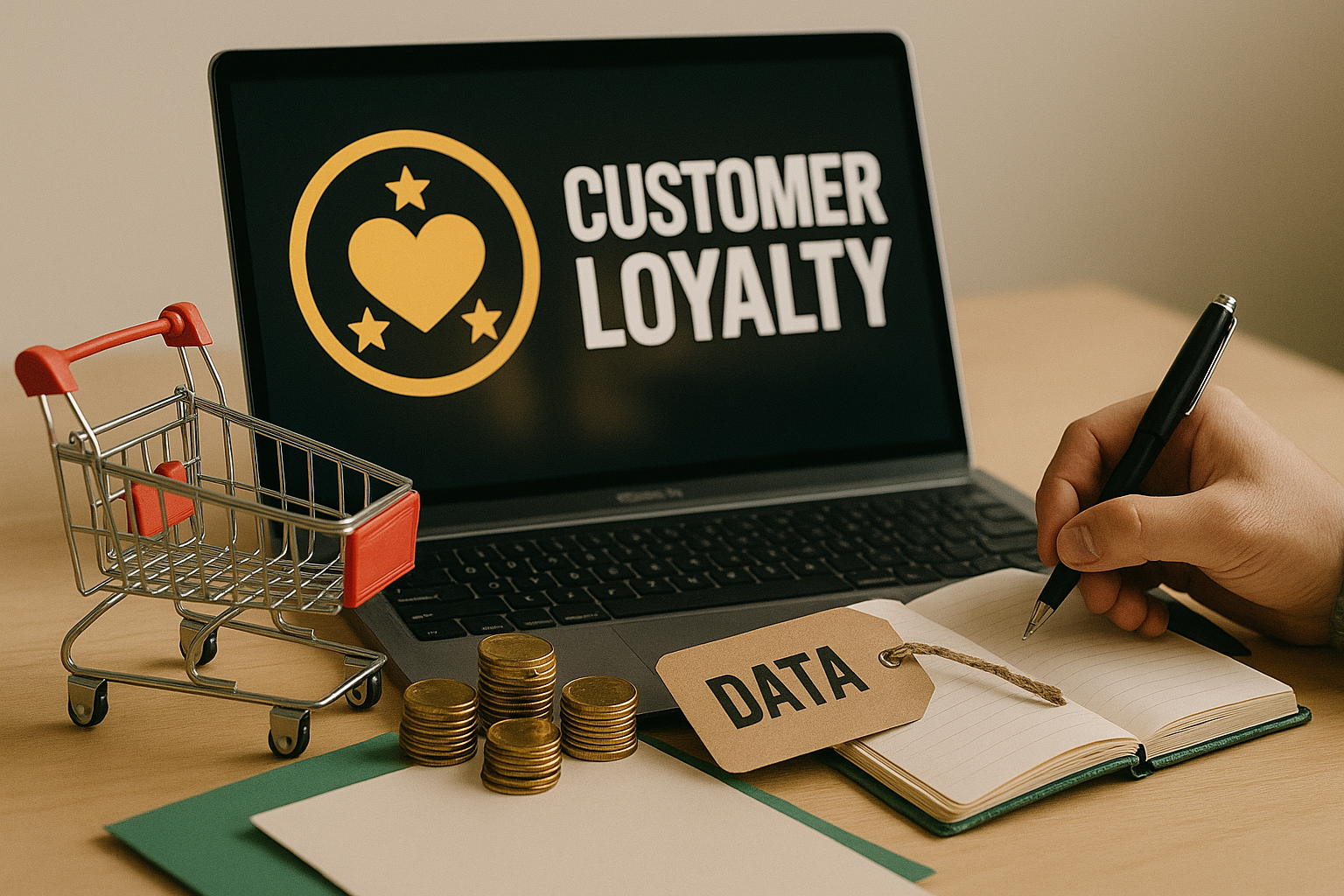
Customer loyalty is the most valuable outcome of the Black Friday period, as short-term traffic and one-time purchases do not build sustainable e-commerce growth. With the right data strategy, you can transform campaign buyers into loyal customers, lower acquisition costs, and boost long-term profitability.Why Post–Black Friday Loyalty Is a Strategic PriorityWhile Black Friday brings a significant spike in traffic and first-time buyers, most of these users are driven by discounts and are unlikely to return. Industry benchmarks show that the average retention rate in e-commerce is around 25% to 35%. That means up to 75% of your hard-won customers may never come back.In this context, post-purchase engagement becomes critical. Returning customers are not only easier to convert but also tend to spend more. In fact, repeat customers generate up to 67% more revenue than first-time shoppers. Loyalty also supports long-term growth by reducing paid media dependency and increasing lifetime value (CLV).So, the real success of Black Friday isn’t just in revenue spikes; it lies in how effectively brands convert that spike into sustainable customer relationships.Identifying Loyal Customer Segments with Data ScienceData science enables you to move from intuition to precision when it comes to identifying valuable customer segments. A fundamental method for this is RFM analysis, which scores users based on: Recency – how recently they purchased, Frequency – how often they purchase, Monetary – how much they spend. Here’s an example RFM-based segmentation table suitable for post–Black Friday analysis:This segmentation can be automated using Google Analytics 4 and BigQuery. Customer cohorts can then be visualized in Looker Studio for deeper insight. But do you need advanced data science skills for this? Not necessarily. Basic segmentation and funnel tracking can be implemented with SQL and GA4. However, advanced techniques like churn prediction, LTV modeling, or machine learning for targeting require tools like Python and statistical modeling knowledge.Turning Black Friday Buyers into Long-Term Customers1. Personalizing Post-Purchase JourneysThe first 7 days after a Black Friday purchase are critical for engagement. Customers contacted during this window are significantly more likely to return, especially when messages are personalized. Examples of effective post-purchase flows include: Cross-sell recommendations: “68% of customers who bought this also purchased…” Product setup tutorials or tips Early access or VIP benefits for a second order Personalized offers based on order data and browsing behavior GA4 can be used to track the user’s post-purchase behavior (scrolls, searches, product views), while BQ + Looker Studio can visualize follow-up engagement by cohort. A common question is: How can I tell if someone bought something just for the discount or if they genuinely liked the brand? The answer is in behavioral data, such as whether they returned to the site without additional offers.2. Reducing Waste with Uplift ModelingRather than sending blanket discount emails to everyone, uplift modeling allows you to predict who is likely to respond positively to an offer. This strategy segments customers into four key groups: Persuadables – Will convert because of the offer Sure Things – Would convert even without an offer Lost Causes – Won’t convert either way Do Not Disturb – May churn if targeted with a promotion By scoring customers with an uplift model (built using Python, decision trees, or gradient boosting), you can reserve discount incentives for those who truly need them, increasing ROI while protecting margins. Campaign performance can be tracked across email, push, and ad platforms to validate the model’s effectiveness.Loyalty Programs and Smart Offer PersonalizationLoyalty isn’t just about giving points; it’s about recognition, value, and personalization. Black Friday is a perfect moment to invite customers into tiered loyalty programs, with offers like: Points for purchases Birthday or anniversary perks Priority access to restocks or product launches Exclusive content or early-bird discounts But one size doesn’t fit all. Some customers return naturally, while others need tailored reactivation efforts. GA4 behavioral cohorts enable you to categorize users who visited a product without making a purchase, or those who opened emails but didn’t click on any links. This helps build personalized experiences that feel relevant, not robotic.Push notifications and email campaigns tailored by RFM segment, purchase behavior, or channel of acquisition have been shown to increase engagement rates by up to 60%. For mobile users, especially, in-app messaging and gamified loyalty systems work particularly well to drive reactivation.Creating Omnichannel Loyalty with Data IntegrationTo build a truly unified customer experience, data from multiple platforms — Google Ads, Meta Ads, Apple Ads, Yandex Ads, Adjust, GA4, email platforms, and your CRM/CDP — must be integrated into a central view.This Single Customer View (SCV) enables: Identifying the top-performing acquisition channels Measuring LTV per traffic source Understanding cross-device behavior Building precise retargeting segments BigQuery can act as the data warehouse where all ad, behavior, and transaction data converges. From there, Looker Studio dashboards enable marketers to make informed decisions, such as identifying which Black Friday customers are most likely to become VIPs and allocating future remarketing budgets accordingly.Automating Long-Term Loyalty with Lifecycle JourneysHow can these strategies scale beyond a single promotion? The answer is lifecycle automation.Using rule-based or behavior-triggered workflows, you can automatically guide customers through a journey designed to increase their loyalty. For example: Day 1: Thank-you message with order confirmation Day 7: Product usage tips or complementary recommendations Day 30: Personalized offer or loyalty invitation Day 60: Replenishment reminder or cross-sell prompt These flows can be built in most CRM or email platforms, powered by RFM scores or behavioral data from GA4. Python scripts or SQL queries can be scheduled to update segments dynamically.One common concern is whether automation feels impersonal. In truth, when properly segmented and personalized, automated messages perform better than manual ones because they arrive at the right time with the right content.Conclusion: Black Friday is Temporary, Loyalty is LastingBlack Friday is about attention. But post–Black Friday is about retention.While the shopping weekend is a powerful acquisition event, the real ROI comes from what happens next: how you segment, communicate, and build trust with those new customers.Through smart data modeling, behavioral segmentation, offer optimization, and omnichannel automation, brands can transform a short-term traffic surge into a long-term revenue stream. And in a world where acquisition costs are rising, loyalty isn’t just a tactic; it’s your most sustainable growth strategy.

How to Reduce Cart Abandonment with Real-Time Campaigns on Black Friday
Black Friday is one of the busiest shopping periods of the year for e-commerce. However, this heavy traffic does not always translate into high conversions. Many visitors add products to their carts but leave the site before completing the purchase — resulting in “cart abandonment.” Especially during major campaign periods, this rate can increase. With the right strategies and real-time campaigns, you can reduce these losses and boost your conversion rates.🛒 What Is Cart Abandonment and Why Does It Matter?Cart abandonment refers to visitors adding products to their carts but leaving the site without completing the checkout. If many products are added to the cart but conversions remain low, this is not only a loss in sales — it also represents wasted traffic, marketing budget, and a decline in customer trust.During high-intensity periods like Black Friday, short campaign durations, urgency-driven offers, increased competition, and diverse traffic sources can further elevate abandonment rates. This is why pre-campaign preparation and mechanisms to prevent abandonment become even more critical.📌 Strategies to Reduce Cart Abandonment with Real-Time Black Friday CampaignsDuring Black Friday, capturing user attention is important — but guiding them all the way to the checkout is the real challenge. Real-time campaigns help at this stage by offering clear, time-sensitive, personalized messages that motivate hesitant users. However, success depends not just on showing these offers but on how seamlessly they integrate into the user experience.1. Clear and Urgent OffersBlack Friday real-time campaigns often use messages like “limited time,” “limited stock,” or “first X buyers.” These messages speed up decision-making and reduce hesitation. Use statements like “valid today only” or “stock is running out.” Be transparent with campaign duration and remaining stock. Urgency and clarity help undecided users move forward with the purchase.2. Show All Costs Up FrontUnexpected charges like high shipping fees or post-tax prices significantly increase abandonment. Display discounted prices clearly. Show shipping, tax, and delivery details upfront. Use free shipping or threshold-based free shipping campaigns. 3. Fast and Simple Checkout Allow guest checkout without account creation. Reduce checkout steps and include a progress indicator. Optimize specifically for mobile (Black Friday mobile traffic spikes). 4. Highlight Trust Signals Show SSL certificates, secure payment icons, and trust badges prominently. Clearly communicate return and exchange policies. Add social proof such as reviews and ratings directly on campaign pages. 5. Offer Multiple Payment Options Provide credit card, debit card, mobile wallet, and installment options. Include local payment methods when relevant. Offer one-click checkout options where possible. 6. Real-Time Abandonment Tracking and Quick ActionsBlack Friday dynamics change rapidly, making real-time monitoring essential. Identify the exact step where users abandon (cart page, payment page, etc.). If abandonment spikes at payment, troubleshoot payment methods immediately. Use real-time triggers such as pop-ups, promo codes, or live chat assistance. 7. Reminder & Reactivation for Abandoned CartsIf a user adds an item to their cart and leaves, it shouldn’t be treated as a lost opportunity. Send abandoned cart reminders via email or SMS. Show cart items, campaign duration, or a special coupon in the reminder. Use “low stock” alerts or personalized offers to encourage return. 🔍 Special Considerations for Black Friday Time pressure: Short campaign durations require quick decisions, increasing the need to reduce friction. High traffic = higher risk: Site speed, payment systems, and inventory issues become more visible during heavy traffic. Competitive landscape: Users compare multiple sites at once — your offer must be clear and easy to find. Mobile shopping spike: Mobile abandonment is typically higher, so mobile optimization is essential. ConclusionIn high-competition and high-traffic periods like Black Friday, “adding to cart” is no longer enough — the real goal is minimizing friction until the final step. By offering clear real-time deals, simplifying checkout, reinforcing trust, diversifying payment options, and actively following up on abandoned carts, you can significantly reduce cart abandonment and maximize conversions.

Data-Driven Tactics to Build Customer Loyalty After Black Friday
Customer loyalty is the most valuable outcome of the Black Friday period, as short-term traffic and one-time purchases do not build sustainable e-commerce growth. With the right data strategy, you can transform campaign buyers into loyal customers, lower acquisition costs, and boost long-term profitability.Why Post–Black Friday Loyalty Is a Strategic PriorityWhile Black Friday brings a significant spike in traffic and first-time buyers, most of these users are driven by discounts and are unlikely to return. Industry benchmarks show that the average retention rate in e-commerce is around 25% to 35%. That means up to 75% of your hard-won customers may never come back.In this context, post-purchase engagement becomes critical. Returning customers are not only easier to convert but also tend to spend more. In fact, repeat customers generate up to 67% more revenue than first-time shoppers. Loyalty also supports long-term growth by reducing paid media dependency and increasing lifetime value (CLV). So, the real success of Black Friday isn’t just in revenue spikes; it lies in how effectively brands convert that spike into sustainable customer relationships.Identifying Loyal Customer Segments with Data ScienceData science enables you to move from intuition to precision when it comes to identifying valuable customer segments. A fundamental method for this is RFM analysis, which scores users based on: Recency – how recently they purchased Frequency – how often they purchase Monetary – how much they spend Here’s an example RFM-based segmentation table suitable for post–Black Friday analysis:This segmentation can be automated using Google Analytics 4 and BigQuery. Customer cohorts can then be visualized in Looker Studio for deeper insight. Basic segmentation and funnel tracking can be implemented with SQL and GA4; more advanced techniques like churn prediction, LTV modeling, or ML-based targeting benefit from Python and statistical modeling.Turning Black Friday Buyers into Long-Term Customers1) Personalizing Post-Purchase JourneysThe first 7 days after a Black Friday purchase are critical for engagement. Customers contacted during this window are significantly more likely to return—especially with personalized messages. Effective post-purchase flows include: Cross-sell recommendations (e.g., “68% of customers who bought this also purchased…”) Product setup tutorials or tips Early access or VIP benefits for a second order Personalized offers based on order data and browsing behavior Use GA4 to track post-purchase behavior (scroll depth, site search, product views). Visualize follow-up engagement by cohort with BigQuery + Looker Studio. To distinguish discount-driven buyers from brand-likers, check whether they return to the site organically without additional offers.2) Reducing Waste with Uplift ModelingRather than sending blanket discount emails to everyone, uplift modeling predicts who will respond positively to an offer. Segment customers into four groups: Persuadables – Convert because of the offer Sure Things – Would convert even without an offer Lost Causes – Won’t convert either way Do Not Disturb – May churn if targeted with a promotion By scoring customers with an uplift model (e.g., decision trees or gradient boosting in Python), you can reserve discounts for those who truly need them—protecting margins and increasing ROI. Validate performance across email, push, and paid media.Loyalty Programs and Smart Offer PersonalizationLoyalty isn’t just about points; it’s about recognition, value, and personalization. Black Friday is an ideal moment to invite customers into tiered loyalty programs with offers like: Points for purchases Birthday or anniversary perks Priority access to restocks or launches Exclusive content or early-bird discounts But one size doesn’t fit all. Some customers return naturally; others need targeted reactivation. GA4 behavioral cohorts help you identify users who viewed products without buying, or opened emails without clicking. Build personalized experiences that feel relevant, not robotic. Push notifications and emails tailored by RFM segment, purchase behavior, or acquisition channel can increase engagement rates by up to 60%. For mobile users, in-app messaging and gamified loyalty mechanics are particularly effective.Creating Omnichannel Loyalty with Data IntegrationTo deliver a unified customer experience, integrate data from Google Ads, Meta Ads, Apple Ads, Yandex Ads, Adjust, GA4, your email platform, and your CRM/CDP into a central view. This Single Customer View (SCV) enables: Identifying top-performing acquisition channels Measuring LTV per traffic source Understanding cross-device behavior Building precise retargeting segments Use BigQuery as the warehouse where ad, behavior, and transaction data converge. From there, Looker Studio dashboards help you spot which Black Friday customers are most likely to become VIPs and allocate future remarketing budgets accordingly.Automating Long-Term Loyalty with Lifecycle JourneysHow can these strategies scale beyond a single promotion? With lifecycle automation. Using rule-based or behavior-triggered workflows, automatically guide customers through a journey that increases loyalty. For example: Day 1: Thank-you message with order confirmation Day 7: Product usage tips or complementary recommendations Day 30: Personalized offer or loyalty invitation Day 60: Replenishment reminder or cross-sell prompt Most CRM or email platforms can power these flows using RFM scores or GA4 events. Schedule Python scripts or SQL jobs to update segments dynamically. Properly segmented and personalized, automated messages perform better than manual outreach because they arrive at the right time with the right content.Conclusion: Black Friday Is Temporary, Loyalty Is LastingBlack Friday is about attention; post–Black Friday is about retention. While the shopping weekend is a powerful acquisition event, real ROI comes from what happens next—how you segment, communicate, and build trust with new customers. Through smart data modeling, behavioral segmentation, offer optimization, and omnichannel automation, brands can turn a short-term traffic surge into a long-term revenue stream. In a world of rising acquisition costs, loyalty isn’t just a tactic; it’s the most sustainable growth strategy you own.